In our modern, high-speed world, our brains are constantly under siege. Between the “ping” of notifications, the pressure of the 9-to-5, and the general hum of urban anxiety, many of us are living in a state of perpetual low-level stress. We seek refuge in apps, retreats, and vitamins, but often, the most potent medicine is something much older and infinitely simpler.
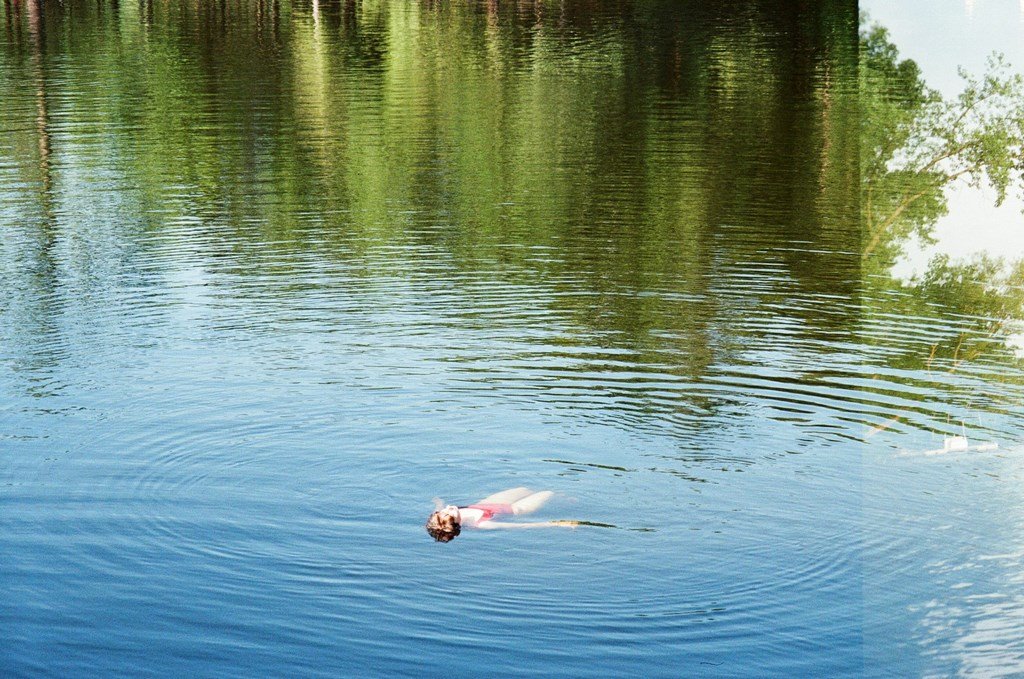
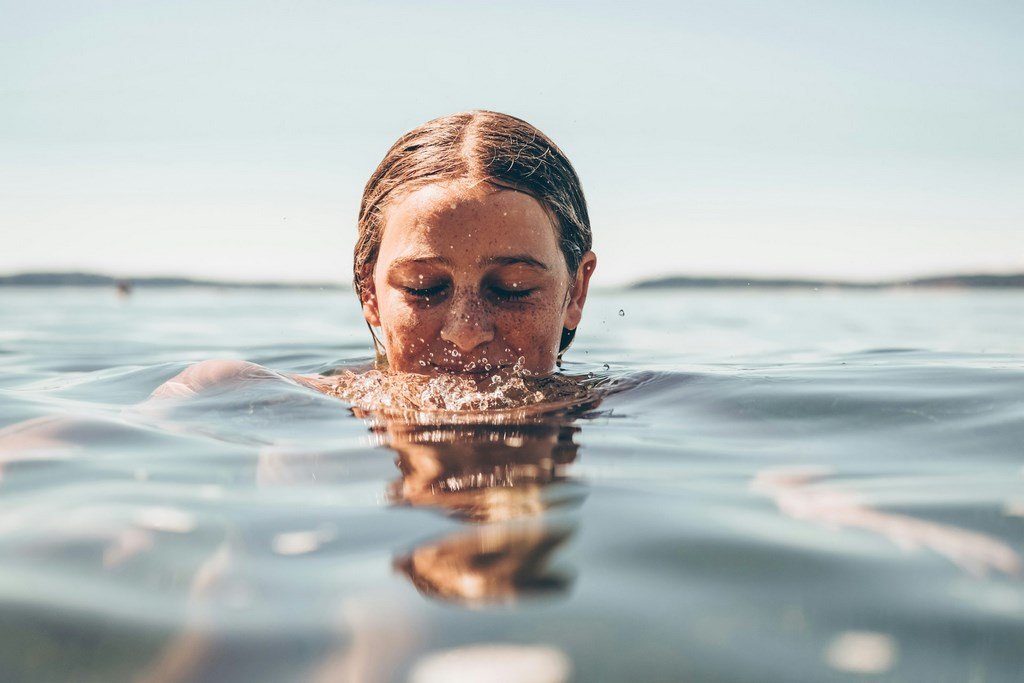
It’s the shock of $12^\circ\text{C}$ water hitting your skin in a Cumbrian tarn. It’s the rhythmic pull of a stroke through a Loch in the Highlands. It’s what many are now calling “Blue Space Therapy.”
As a traveller who has dipped into almost every corner of the British Isles, I have seen first-hand how wild swimming transforms people. It isn’t just about the physical exercise; it is a profound neurological reset. In 2026, as we prioritise mental well-being more than ever, wild swimming has emerged not just as a hobby, but as a life-saving therapy.
The Science of the “Cold Reset”
When you step into cold, wild water, your body undergoes a spectacular physiological event. The Cold Water Shock response triggers an immediate flood of noradrenaline and dopamine—the body’s natural “feel-good” chemicals.
But the real magic happens in the brain’s “fight or flight” centre. By voluntarily entering cold water, you are practicing “Stress Controllability.” You are teaching your nervous system to stay calm under pressure. Over time, this resilience “cross-adapts” to your daily life. That stressful work meeting or traffic jam suddenly feels manageable because your brain knows you have survived much colder, tougher conditions in the water.
3 Ways Wild Swimming Heals the Mind
1. The Power of “Blue Space”
Research shows that being near water (Blue Space) reduces cortisol levels significantly more than being in green spaces alone. The negative ions found near moving water—waterfalls, crashing waves, or flowing rivers—act as natural antidepressants, improving oxygen flow to the brain and increasing mental alertness.
2. Forced Mindfulness
You cannot worry about your mortgage or your inbox when you are swimming in a chilly river. The cold demands your absolute attention. It forces you into the present moment—the very definition of mindfulness. Every breath becomes conscious; every movement is deliberate. It is the ultimate “digital detox.”
3. The Community of the “Damp & Happy”
In the UK, wild swimming has fostered a unique, non-judgmental community. There is something about shivering together on a riverbank in a changing robe that strips away social anxiety. Whether you’re in the Serpentine in London or a secret cove in Cornwall, the shared experience of the water creates a bond of “vulnerability and strength.”
Comparison: Wild Swimming vs. Indoor Swimming for Mental Health
| Feature | Wild Swimming (Open Water) | Indoor Swimming (Pool) |
| Sensory Input | High (Nature, cold, sounds) | Low (Chlorine, tiles, echoing) |
| Hormonal Boost | Massive Dopamine/Noradrenaline | Moderate Endorphins |
| Mindfulness Level | Forced (Due to environment) | Variable (Often repetitive/monotonous) |
| Circulatory Benefit | Intense Vasoconstriction/Dilation | Standard cardiovascular |
| Cost | Free (Once you have basic kit) | Monthly membership fees |
The “Therapy” Kit: What You Need to Start
You don’t need much to begin your journey into Blue Space therapy, but a few items will make the experience more “meditative” and less “stressful”:
A Bright Tow Float: This provides a psychological “safety net.” Knowing you can float and rest at any time reduces the anxiety of being in deep water.
Neoprene Gloves and Socks: Extremities feel the cold first. Keeping them warm allows you to stay in the “flow state” for longer.
A Thermos of Hot Tea: The ritual of the post-swim warm-up is as therapeutic as the swim itself. It’s the “reward” phase of the therapy.
3 Safety Rules for a Stress-Free Dip
Listen to Your Body, Not the Clock: Some days you might stay in for ten minutes; other days, a thirty-second “plunge” is enough. Never compare your swim to others. Therapy is personal.
The “Float to Live” Technique: If you feel panic rising, roll onto your back. Let the water support you. (See our guide on Cold Water Shock for the full breakdown).
Swim with a Buddy: Part of the therapy is the social connection. Having a “swim spotter” on the bank ensures you can relax completely in the water.
FAQ: Wild Swimming & Mental Health
1. Can wild swimming actually replace traditional therapy?
While many swimmers call the water their “GP,” it should be viewed as a complementary therapy. It is a powerful tool for managing symptoms of stress and mild-to-moderate anxiety, but always consult with a healthcare professional for clinical conditions.
2. I’m terrified of the cold. Will it still work for me?
Actually, the fact that you are scared makes it more effective. Overcoming that fear is what builds “mental grit.” Start in the summer when the water is $16-18^\circ\text{C}$ and slowly transition into the autumn.
3. Is “Blue Space” therapy effective in winter?
Winter swimming (ice swimming) provides a much more intense “hit” of endorphins, but the risks are higher. For mental health, even a 2-minute dip in winter can provide a mood boost that lasts for days.
4. How often should I swim to see the benefits?
Many regular swimmers find that two to three times a week is the “sweet spot” for maintaining a calm baseline of mental health.
5. What if I don’t live near a lake?
Rivers, tidal pools, and even the sea all count! If you are truly landlocked, even a 30-second cold shower can stimulate the same “vagus nerve” response, though it lacks the magical “Blue Space” connection.