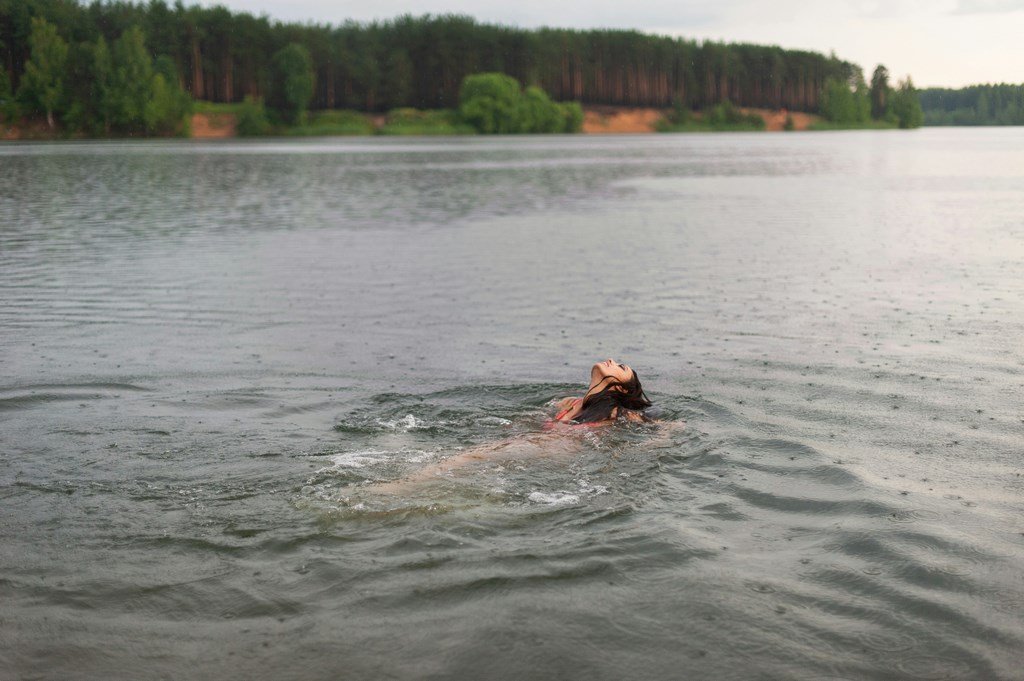

There is a specific moment when you transition from being a “visitor” to the Lake District to being part of its landscape. It usually happens the second your shoulders submerge beneath the surface of a glacial tarn, the cool, peaty water of Cumbria embracing you while the fells of Skiddaw or Helvellyn tower overhead.
The Lake District National Park—now a UNESCO World Heritage site—is the undisputed spiritual home of British wild swimming. But for a beginner, the sheer scale of the water can be intimidating. Which lakes are safe? Where is the water cleanest? And how do you handle the infamous “Cumbrian chill”?
As a regular “dipper” in these northern waters, I’ve put together this essential guide to help you take your first plunge with confidence, safety, and a touch of that famous Lake District magic.
Why the Lake District is Perfect for Beginners
Unlike the unpredictable tides and rip currents of the British coast, the Lakes offer a relatively stable environment. Most of the water bodies here are deep, clean, and surprisingly accessible. Whether you want a social swim in Windermere or a silent, spiritual experience in Buttermere, there is a body of water to suit your comfort level.
In 2026, the local community of “wildies” is larger and more welcoming than ever. You are rarely alone on the shoreline, and the culture of looking out for one another is what makes this region so special.
The Best Beginner-Friendly Lakes
1. Buttermere (The Scenic Sanctuary)
Buttermere is often cited as the most beautiful lake in the UK. For beginners, it’s a dream because it is a “no-engine” lake—meaning no motorboats or jet skis to worry about.
The Entry: The south shore, near the pine trees, offers a gentle, shingly entry.
The Vibe: Silent, majestic, and sheltered from the worst of the wind.
2. Windermere: Miller Ground (The Social Hub)
If you feel safer with people around, Miller Ground near Rayrigg Road is the place to be. There are jetties to jump from and shallow areas for wading.
The Entry: Very accessible with stony beaches.
The Vibe: Energetic and great for families. Just keep an eye out for the ferry!
3. Rydal Water (The “Warm” One)
Rydal is smaller and much shallower than its neighbours. This means it warms up significantly faster in the spring and summer months.
The Entry: Grassy banks and shallow edges.
The Vibe: Romantic and intimate, famously beloved by the poet William Wordsworth.
4. Ullswater: Kaye House (The Hidden Gem)
Ullswater is the second-largest lake, and while it can get choppy, the area around Kaye House offers a wonderful, sheltered bay for beginners to practice their stroke.
The Vibe: Dramatic mountain scenery with a sense of true wilderness.
Essential Gear for the Cumbrian Dip
| Item | Why You Need It | Beginner Tip |
| Tow Float | Visibility & Rest | Bright orange is the most visible against dark water. |
| Neoprene Boots | Warmth & Protection | Lake bottoms can be stony; boots prevent “ouchy” exits. |
| Silicone Cap | Heat Retention | Most body heat is lost through the head. |
| Changing Robe | Warmth Recovery | Vital for beating the “After-Drop” (see our safety guides!). |
| Whistle | Emergency Signal | Attach it to your tow float. |
The Beginner’s Safety Checklist
Acclimatise Slowly: Never jump in. Walk in slowly, splash your face, and let your breathing settle. The “gasp reflex” is real, even in July.
Know Your Exit: Before you get in, make sure you know exactly where you’re getting out. Slippery rocks can make an exit much harder than an entry.
Check for Blue-Green Algae: In very warm weather, look for “pea soup” or green foam. If in doubt, stay out.
Swim Parallel: Don’t head for the middle of the lake. Swim along the shoreline so you are always within a few metres of being able to stand up.
Be Boat-Aware: On larger lakes like Windermere, Coniston, and Ullswater, always wear a bright tow float. Boats move faster than you think!
3 “Pro” Tips for the Lake District
The “Peat” Glow: Don’t be alarmed if the water looks brown. It’s just peat from the fells. It’s perfectly clean and actually leaves your skin feeling incredibly soft.
Post-Swim Refuel: No Lake District swim is complete without a visit to a local pub. A pint of Jennings or a piece of Grasmere Gingerbread is the traditional way to warm the soul.
Leave No Trace: We are guests in this landscape. Take your litter home and be respectful of the local residents and wildlife.
FAQ: Lake District Wild Swimming
1. Is it legal to swim in all the lakes?
Most lakes are open for swimming. However, some (like Haweswater and Thirlmere) are reservoirs where swimming is restricted. Always check local signage and the Lake District National Park website.
2. Is the water in the Lakes clean?
Generally, yes. The Lake District has some of the highest water quality in England. However, always check the United Utilities website or the SAS app for any recent alerts regarding sewage outflows after heavy rain.
3. Do I need a wetsuit?
As a beginner, a wetsuit is a great idea. It provides buoyancy (which helps with confidence) and keeps you warm for longer. As you become more experienced, you might choose “skins” swimming, but start with neoprene!
4. When is the best time of year to start?
Late June to early September is the “sweet spot” when the water is at its warmest (around 16-18°C). If you want to swim in winter, you’ll need specialist equipment and training.
5. Are there any “monsters” in the lakes?
No monsters! You might encounter some curious perch, a few pike in the reeds (who are more scared of you than you are of them), and plenty of ducks.