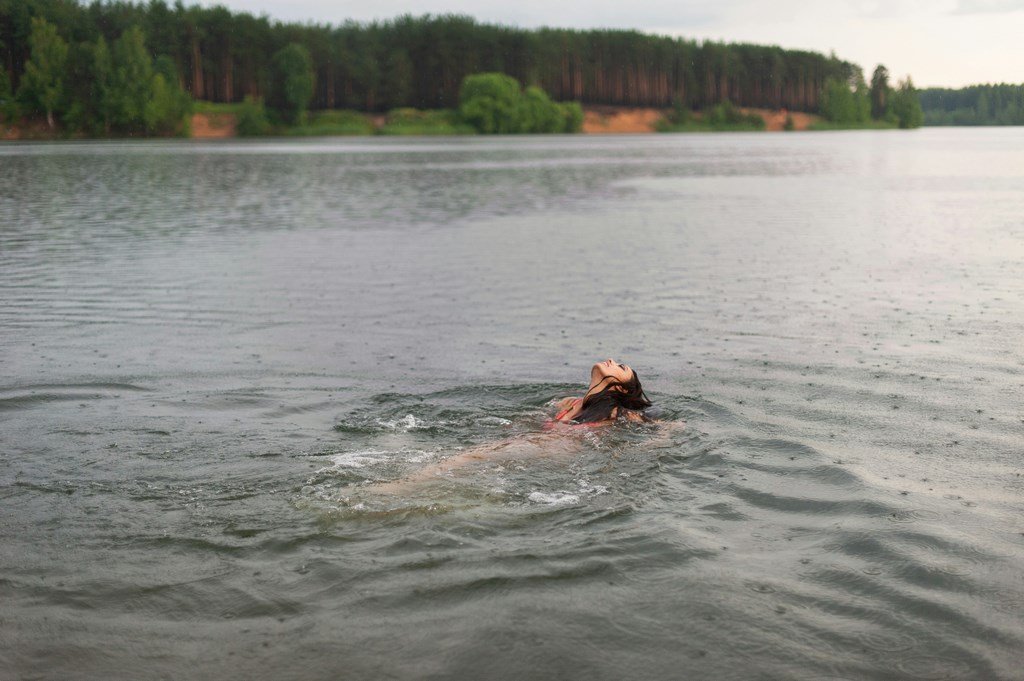

There are places in the British Isles that feel as though they were plucked straight from the pages of a Celtic myth, and the Fairy Pools on the Isle of Skye are undoubtedly at the top of that list. Situated at the foot of the formidable Black Cuillin mountains, these crystal-clear, emerald-tinted rock pools and cascading waterfalls are the crown jewel of Scottish wild swimming.
As a traveller who has stood on these banks in both the lashing rain of October and the rare, searing heat of a July afternoon, I can tell you that the Fairy Pools are more than just a “tourist stop.” They are a sensory experience. The air smells of damp heather and cold stone; the water is so transparent it looks like liquid glass; and the silence—if you find it—is profound.
However, their beauty has made them famous. In 2026, visiting the Fairy Pools requires a bit more savvy than it did a decade ago. If you want to actually swim (rather than just stand in a queue for a selfie), you need an insider’s strategy.
The Reality of the “Dip”: What to Expect
Before you peel off your layers, let’s manage expectations.
The Temperature: The water comes directly off the Cuillin peaks. It is perpetually cold, often hovering between $6^\circ\text{C}$ and $12^\circ\text{C}$ even in summer. This is “proper” wild swimming.
The Midges: If the wind drops in July or August, the Highland midge will find you. They don’t care how magical the scenery is; they are looking for lunch.
The Walk: It’s a 20–30 minute hike from the car park to the best pools. The path is well-maintained but involves crossing small burns (streams) that can rise quickly in the rain.
The Insider’s Strategy: Timing and Tactics
To experience the Fairy Pools as they were meant to be seen—serene and ethereal—you must beat the “tourist pulse.”
The “Golden Hour” Swim: Arrive at the car park by 7:30 AM. Not only will you get a parking spot, but you’ll likely have the lower pools entirely to yourself. The light hitting the water at this hour is perfect for photography.
The Upper Pool Secret: Most tourists stop at the first two large pools. If you keep walking further up toward the base of the mountains, the pools become smaller, deeper, and infinitely quieter.
The Rainy Day Advantage: Don’t fear the mist. The Fairy Pools look their most “Skye-like” when the clouds hang low over the Cuillins. Plus, rain keeps the crowds away and makes the waterfalls thunderous.
Essential Gear for the Fairy Pools
| Item | Why You Need It | Insider Tip |
| Neoprene Boots | Sharp rocks & cold | Essential for getting in and out without slipping. |
| Changing Robe | Warmth & privacy | There are no changing rooms on the mountain! |
| Smidge Spray | Midge protection | Buy “Smidge”—it’s the only thing that works in Scotland. |
| Wetsuit (Optional) | Thermal protection | If you want to stay in longer than 2 minutes, wear a 3/2mm suit. |
| Dry Bag | Keep kit dry | Skye weather turns in seconds; keep your towel dry! |
A Comparison of Skye’s Best Swim Spots
| Spot | Difficulty | Crowd Level | Best For… |
| Fairy Pools | Easy | Very High | Iconic scenery & underwater photos |
| Glenbrittle Beach | Easy | Medium | Salty sea swims & sunset views |
| Loch Coruisk | Hard | Very Low | True wilderness & boat-access dips |
| Faerie Glen | Easy | High | Shallow, magical “paddling” |
3 Rules for Respecting the Fairies
Park Responsibly: Only use the official “Fairy Pools Car Park” managed by the local community. Parking on the narrow verges blocks emergency vehicles and ruins the fragile peat.
Leave No Trace: Skye is struggling with its popularity. Take every scrap of litter home, including orange peels and tissues.
Safety First: If the water is chocolate-brown and roaring after heavy rain, do not get in. Flash floods are common and the currents become deadly.
FAQ: Your Fairy Pools Questions
1. Is it free to visit the Fairy Pools?
Access to the pools is free under the Scottish Outdoor Access Code. However, there is a fee (around £6) for the community-run car park, which goes toward maintaining the paths and toilets.
2. Can I swim there in winter?
You can, but it is for experienced cold-water swimmers only. You will need a thick wetsuit, gloves, and boots. The path can also be very icy and treacherous in January.
3. Are there fish in the pools?
You might see small brown trout darting amongst the rocks. They are very shy, so you’ll need to stay still to spot them!
4. Is the water safe to drink?
While it looks pure, we don’t recommend drinking it directly due to livestock (sheep and deer) grazing further up the mountain. Always bring your own fresh water.
5. How long should I spend there?
Allow at least 3 hours. This gives you time for the walk, a leisurely swim, and the inevitable 500 photos you’ll take of the mountains.