In the bustling, high-bandwidth environment of 2026, we are more “connected” than ever, yet many of us feel profoundly disconnected from ourselves. We spend our days staring at glass screens and our nights under artificial lights. The result? A quiet, persistent background noise of stress that we’ve come to accept as “normal.”
But there is an antidote, and it’s waiting for you in the ancient oak woods of the New Forest, the pine-scented glades of the Highlands, and the hidden beech hangers of the Cotswolds. It’s called Forest Bathing, or Shinrin-yoku—the Japanese practice of “taking in the forest atmosphere.”
As a traveller who has sought solace in the damp, mossy silence of the Lake District and the windswept woods of Dartmoor, I can tell you: Forest Bathing isn’t just “a walk in the park.” It is a deliberate, sensory immersion that has been scientifically proven to lower cortisol, boost immune systems, and provide a level of deep relaxation that even the most expensive spa can’t replicate.
Here is how to master the art of the “forest bath” in the unique landscape of the British Isles.
What is Forest Bathing? (And what it isn’t)
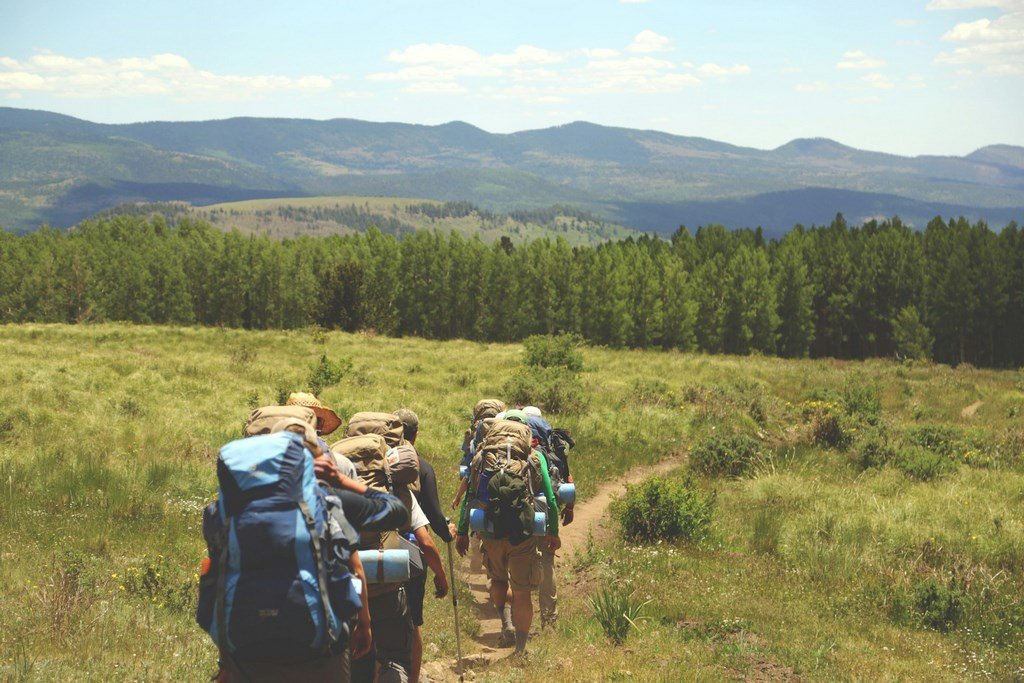
Forest Bathing is not hiking. It’s not about counting steps, reaching a summit, or identifying tree species. In fact, if you’re checking your smartwatch every five minutes, you aren’t forest bathing.
The goal is to disengage the analytical brain and engage the sensory brain. In the UK, our woodlands are particularly suited for this because of their layered textures—the crunch of autumn leaves, the scent of wild garlic in spring, and the intricate patterns of lichen on ancient stone walls.
5 Simple Forest Bathing Techniques
1. The “Sensory Threshold” (Entry Ritual)
Before you enter the woods, stop at the “threshold”—perhaps a gate or the first line of trees. Close your eyes and take three deep breaths. Consciously “leave” your to-do list at the gate. As you step forward, imagine you are entering a slow-motion world.
Technique: Walk at one-tenth of your normal pace. If you feel like you’re “strolling,” you’re still going too fast.
2. The “Five Senses” Scan
Once you are deep within the trees, find a spot to stand or sit.
Sight: Look for the smallest detail—the veins on a leaf or the way light filters through the canopy (the Japanese call this Komorebi).
Sound: Listen past the obvious birdsong. Can you hear the wind in the very top of the trees? The rustle of a beetle?
Smell: Squat down and sniff the earth. In the UK, the smell of damp pine or wet earth (petrichor) is a powerful grounding agent.
Touch: Feel the texture of bark—the rough oak versus the smooth beech.
Taste: (Metaphorical!) Take a deep breath and “taste” the air. It’s rich in phytoncides, the essential oils trees emit to protect themselves, which boost our white blood cell count.
3. “Sit-Spot” Meditation
Find a tree that “calls” to you and sit at its base. Commit to staying there for 20 minutes.
The Magic: After about 10 minutes, the forest “forgets” you are there. The birds will return to their normal patterns, and the squirrels will resume their business. You become part of the ecosystem rather than a spectator.
4. The “Fractal Focus”
The human brain is hardwired to find relaxation in “fractals”—repeating patterns found in nature (ferns, branches, frost).
Technique: Find a fern or a complex branch structure and trace the patterns with your eyes. This “soft fascination” allows the prefrontal cortex—the part of the brain used for intense focus—to rest and recover.
5. The “Leaf Drift”
Find a stream or even a small puddle. Pick up a fallen leaf and place it on the water. Watch it drift until it’s out of sight.
The Ritual: Imagine the leaf is a specific stress or worry. As it floats away, feel the weight of that thought leaving your mind.
Comparison: Forest Bathing vs. Traditional Hiking
| Feature | Forest Bathing (Shinrin-yoku) | Traditional Hiking |
| Primary Goal | Sensory immersion & relaxation | Physical exercise & distance |
| Pace | Extremely slow / Stationary | Brisk / Purposeful |
| Mindset | “Being” in nature | “Doing” an activity |
| Heart Rate | Decreases / Stabilises | Increases / Aerobic |
| Tech Usage | None (Phones off/away) | GPS, Fitness trackers, Music |
3 Best UK Woods for Your First “Bath”
The New Forest, Hampshire: With its ancient “Pasture Woods” and free-roaming ponies, it offers a sense of prehistoric peace.
Fountains Abbey & Studley Royal, Yorkshire: The combination of water gardens and ancient trees provides a structured, tranquil environment.
Puget Sound (The Great Wood), Keswick: Overlooking Derwentwater, these moss-covered woods feel like a temperate rainforest, perfect for tactile immersion.
FAQ: Woodland Wellness
1. Do I need to be in a “big” forest?
Not at all. A small local copse or even a quiet corner of a wooded park can work. The key is the density of the trees and your ability to find a quiet spot away from traffic noise.
2. Can I do this with my dog?
While we love our dogs, forest bathing is best done alone or with a very calm companion. A dog’s energy—sniffing, pulling, and barking—can pull you out of the meditative state. If you do bring a pup, keep them on a short lead and aim for “stillness” together.
3. What if it’s raining?
Rain is actually a gift for forest bathing. The sound of rain on the canopy (the “patter”) is a natural white noise, and the scent of the forest is amplified when wet. Just wear a good waterproof!
4. How long does a session need to be?
Science suggests that two hours is the “sweet spot” for significant physiological changes, but even 20 minutes of “Fractal Focus” can lower your heart rate.
5. Is Forest Bathing safe for everyone?
Yes, as long as you stay on recognised paths and are aware of your surroundings. In the UK, be mindful of ticks in long grass during the summer—wear long trousers and use repellent.