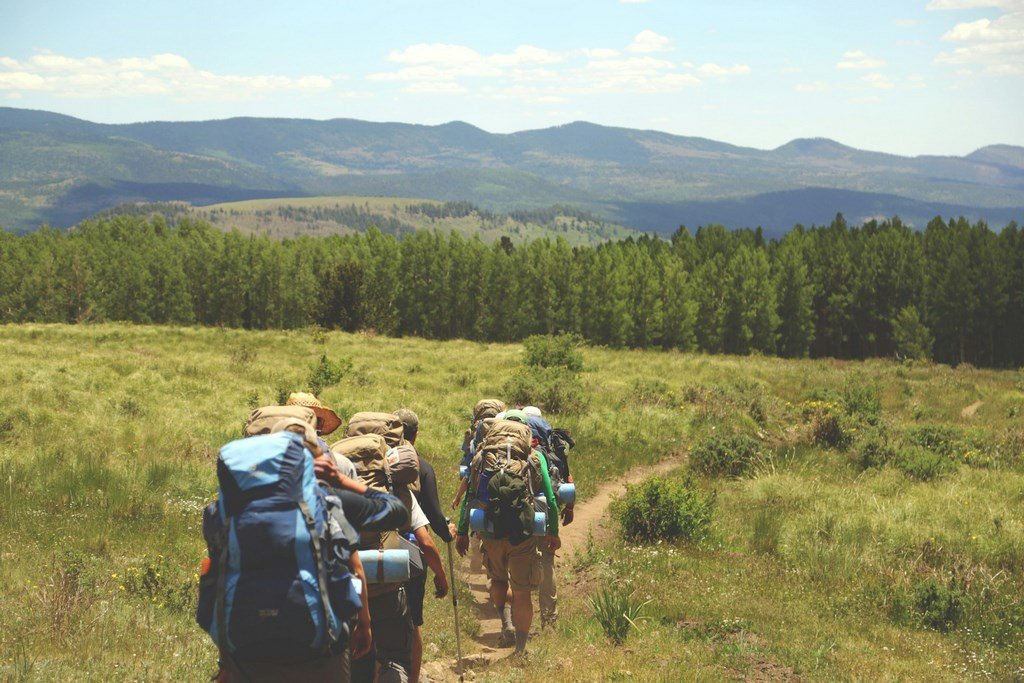
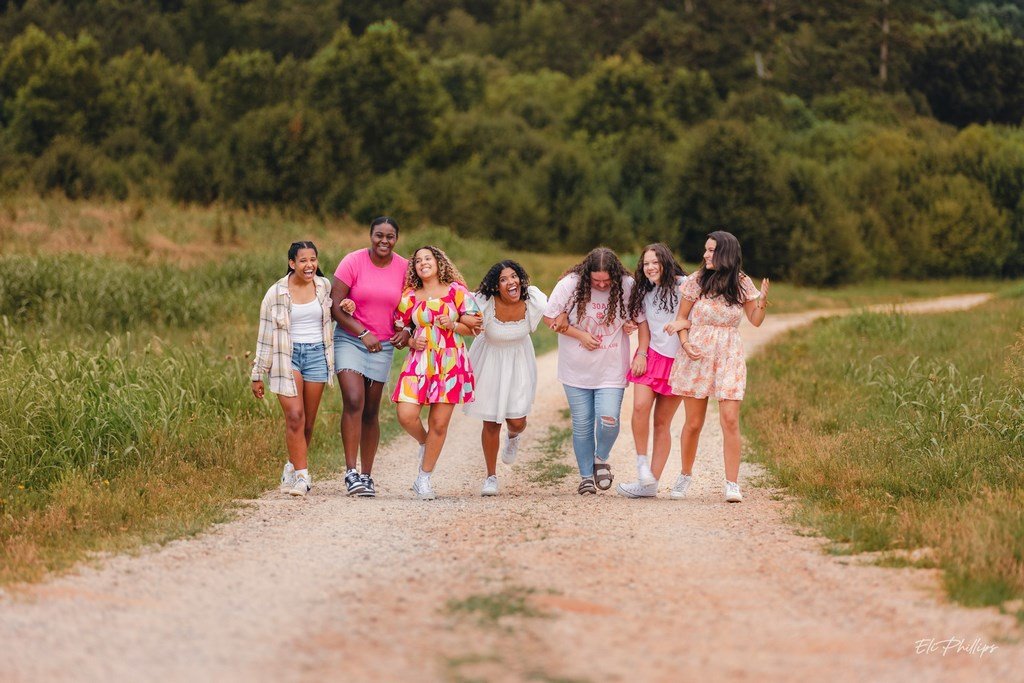
There is a unique kind of magic that happens when women walk together. Perhaps it’s the “rhythm of the road” that loosens the tongue, or the shared breath as you tackle a steep incline in the Peak District. Whatever it is, the conversation flows differently. In a world that often feels increasingly digital and fragmented, the simple act of putting one foot in front of the other with a group of like-minded women is an act of rebellion—and a path to profound well-being.
As a traveller who has joined walking groups from the Highlands to the South Downs, I’ve seen how these communities become more than just “hiking clubs.” They become support systems, networking hubs, and sanctuaries for mental health.
But what if there isn’t a group in your local area? Or what if you’re looking for a specific “vibe” that existing clubs don’t offer? The answer is simple: Start your own. In 2026, building a community is easier than ever, and the rewards—for you and your future members—are endless.
Phase 1: Finding Your “Why” and Your “Who”
Before you buy the domain name or start the WhatsApp group, you need to define the spirit of your community.
The “Social Strollers”: Focus on easy, flat paths, coffee stops, and plenty of chat. Perfect for new mums or those recovering from injury.
The “Summit Seekers”: High-intensity hiking, Munro-bagging, and technical trails. This group is for those who want to sweat and conquer.
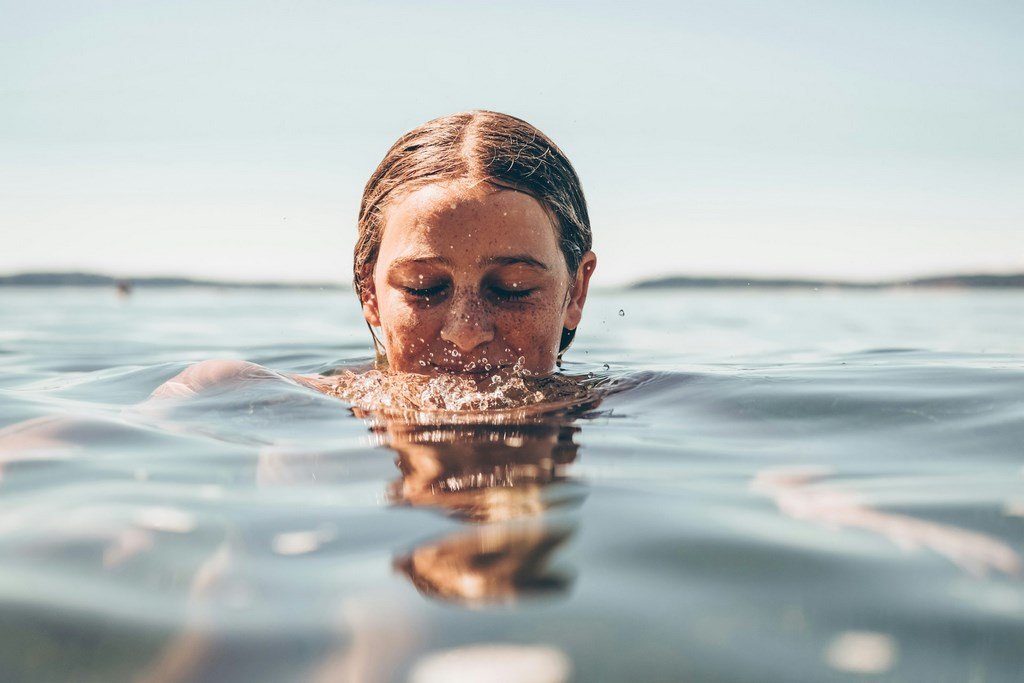
The “Mindful Ramblers”: Walks that incorporate silence, nature observation, or even outdoor yoga. Focus on stress relief and “Blue Space” connection.
The Golden Rule: You don’t need to cater to everyone. The most successful groups are those with a clear identity.
Phase 2: Logistics – From Digital to Dirt
In the UK, we are blessed with incredible access, but a successful group needs a bit of “admin” to keep things running smoothly.
1. Choose Your Platform
Where will your group live? Meetup is fantastic for reaching new people, while a private Facebook Group or Instagram page is great for building a visual brand. For the actual day-to-day communication, nothing beats a well-managed WhatsApp or Signal group.
2. Risk Management (The “Boring” but Vital Bit)
You don’t need to be a certified Mountain Leader to lead a casual group, but you do need to be responsible.
Health Forms: Ask members to privately disclose any medical conditions or emergency contacts.
The “No One Left Behind” Policy: Always have a “back marker”—someone who stays at the rear of the group to ensure the slowest walker is never alone.
3. Scouting the Route
Never lead a group on a path you haven’t walked yourself within the last two weeks. In the UK, a path that was clear in June can be a chest-high nettle forest by August.
Comparison: Group Structure Models
| Feature | Informal Meetup | Organised Club (Membership) | The “Micro-Group” |
| Commitment | Low (Drop-in) | High (Annual/Monthly) | Medium (Fixed friends) |
| Best Platform | Facebook / Meetup | Dedicated Website | WhatsApp / Signal |
| Admin Level | Low | High (Insurance/Accounting) | Very Low |
| Growth Potential | High | Unlimited | Limited (Cap at 10-12) |
| Safety Barrier | Moderate | High (Qualified Leaders) | Individual Responsibility |
Phase 3: Building an Inclusive Culture
The biggest barrier for women joining a new walking group is the fear of “not being fit enough” or “not having the right gear.” To make your group a success in 2026, inclusivity must be at its heart.
“Try Before You Buy”: Offer a “Newbie Walk” once a month that is specifically short and easy.
Gear Libraries: Start a small pool of donated kit—spare waterproofs, rucksacks, or walking poles—for those who aren’t ready to invest yet.
The Post-Walk Ritual: Whether it’s a pub lunch or a thermos of tea in the car park, the “social” after the “walk” is where the real community is built.
3 Essential Tools for the Group Leader
OS Maps Subscription: Essential for planning and sharing routes. You can send a “GXP” file directly to your members’ phones.
A Good First Aid Kit: Carry a group-sized kit including blister plasters, antihistamines, and a foil emergency blanket.
A “What3Words” App: If someone twists an ankle in a remote valley, this app is the quickest way to give the emergency services your exact location.
FAQ: Starting Your Walking Group
1. Do I need insurance to lead a walking group in the UK?
For informal groups of friends, no. However, if you are charging a fee or growing into a formal club, Public Liability Insurance is highly recommended. Organisations like The Ramblers or British Mountaineering Council (BMC) offer advice on this.
2. How do I handle different fitness levels?
Be very clear in your “Walk Description.” Use a grading system (e.g., Easy, Moderate, Strenuous). If the group is large, consider splitting into two sub-groups: “The Gazelles” and “The Tortoises.”
3. What if no one turns up to my first walk?
Don’t be discouraged! Even the biggest groups started with two people. Keep posting photos of your solo “recce” walks—people need to see the “vibe” before they commit.
4. How do I keep the group safe from “Digital Trolls”?
If using Facebook or Meetup, keep the group “Private” or “Closed.” Approve members manually and have a clear “Code of Conduct” regarding respectful communication.
5. Should I charge a fee?
Most successful new groups start as free. Once you have costs (Meetup fees, insurance, or website hosting), a small “suggested donation” or a £2-per-walk fee is usually well-accepted.