For many women in the UK, reaching the mid-40s feels like someone has surreptitiously changed the rules of their own body. The sudden “internal furnace” of a hot flush, the “brain fog” that makes you forget why you walked into a room, and an unfamiliar, buzzing anxiety can make perimenopause feel like a mountain that’s impossible to climb.
But while the medical conversation around HRT (Hormone Replacement Therapy) has rightfully opened up, a growing movement of women is looking toward our natural landscape for additional relief. They are swapping the gym for the lake and the yoga mat for the coastline.
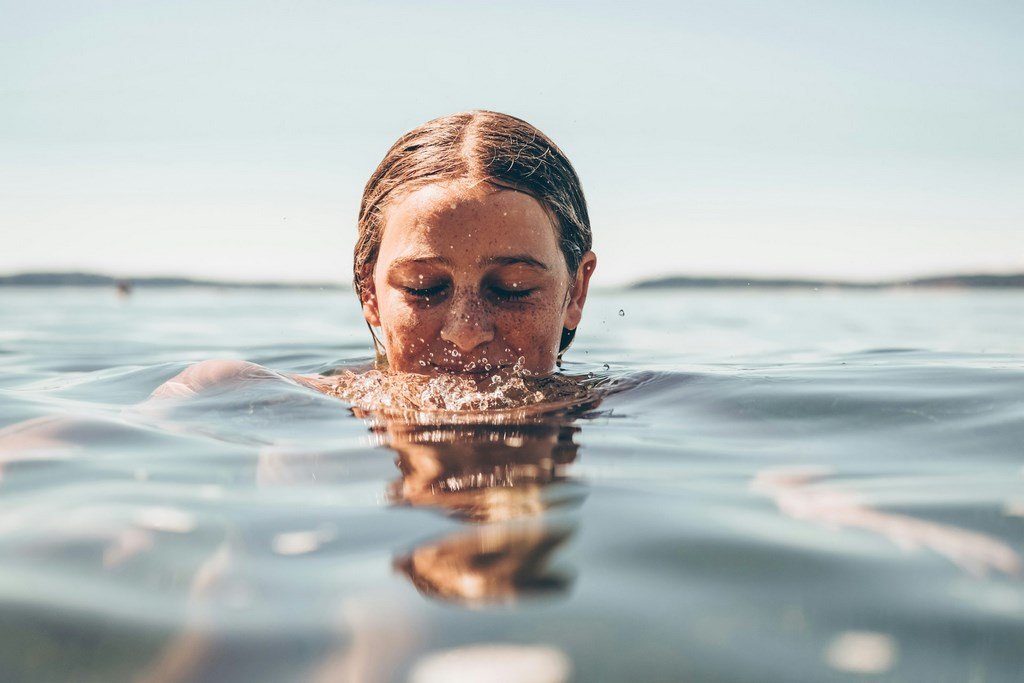
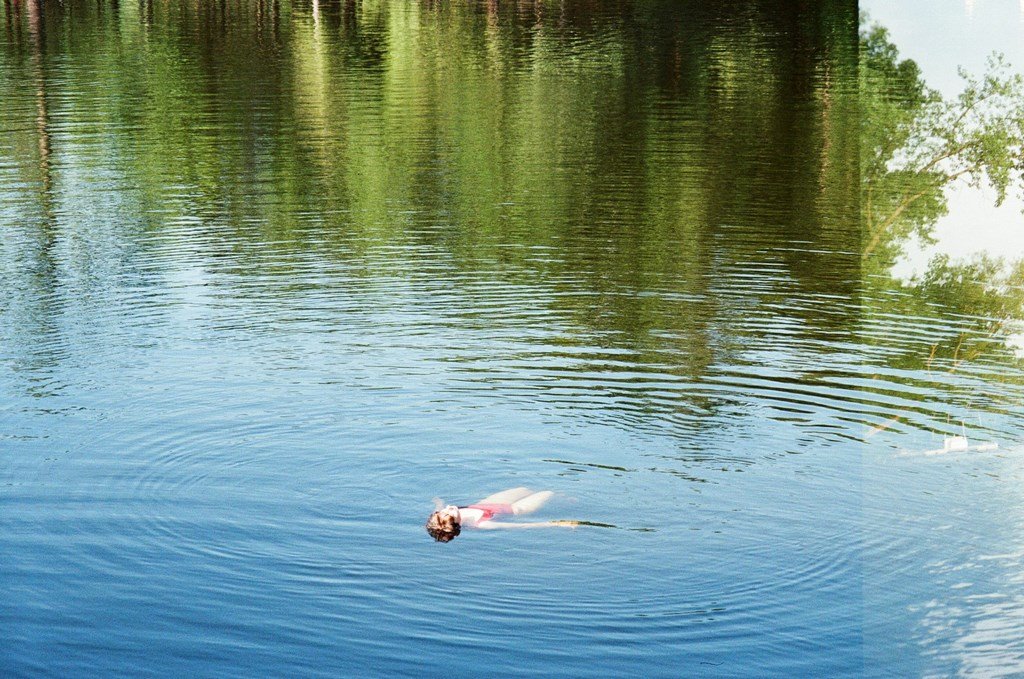
As a traveller who has met countless “swim circles” from the shores of Loch Lomond to the tidal pools of Kent, I’ve seen the transformation first-hand. Wild swimming isn’t just a hobby; for women in perimenopause, it is a biological reset.
In 2026, we are finally understanding the science behind why a “cold dip” might just be the most effective tool in your menopause toolkit.
The Biological “Cool Down”: How Cold Water Works
Perimenopause is a time of hormonal flux, specifically the decline of oestrogen and progesterone. This isn’t just about reproductive health; these hormones regulate our nervous system, our temperature control, and our mood.
When you enter cold, wild water (anything below $15^\circ\text{C}$), you trigger a hormetic stress response. This sounds counterintuitive—why add more stress?—but this “good stress” (eustress) actually helps “re-train” your body’s autonomic nervous system.
1. Extinguishing the Fire: Hot Flushes
Hot flushes are caused by a narrowing of the “thermoneutral zone” in the brain. Regular cold water immersion helps recalibrate the body’s internal thermostat. Many women report that the “chilled” feeling from a morning swim lingers all day, significantly reducing the intensity and frequency of flushes.
2. The Dopamine Drop: Ending the Brain Fog
Perimenopause often brings a drop in dopamine and serotonin, leading to low mood and “foggy” thinking. The shock of cold water triggers a massive release of beta-endorphins and noradrenaline. It’s a natural, chemical-free high that can clear the mental cobwebs in seconds.
3. Fighting the Inflammation: Joint & Muscle Pain
Oestrogen is a natural anti-inflammatory. As it drops, many women suffer from “menopause aches.” Cold water causes vasoconstriction, which reduces swelling and acts as a whole-body ice pack for aching hips and stiff knees.
Comparison: Wild Swimming vs. Lifestyle Changes for Perimenopause
| Symptom | Wild Swimming (Cold Water) | Standard Cardio (Gym/Running) |
| Hot Flushes | High Impact (Recalibrates thermostat) | Low Impact (May actually trigger a flush) |
| Anxiety/Mood | Immediate (Dopamine & Noradrenaline spike) | Gradual (Endorphin release) |
| Joint Pain | Excellent (Hydrostatic pressure & cold) | Variable (High-impact can worsen pain) |
| Sleep Quality | Excellent (Regulates circadian rhythm) | Good (Improves physical tiredness) |
| Social Connection | High (Female-led swim communities) | Moderate (Usually solitary) |
The “Sisterhood of the Shiver”
Beyond the biology, there is the social therapy. Across the UK, “Menapause Swim Groups” are popping up on almost every beach and riverbank. There is something uniquely empowering about standing on a freezing shore in a changing robe, laughing with other women who “get it.”
The psychological benefit of reclaiming your body—of doing something brave and “wild”—cannot be overstated. It moves the narrative from “suffering through a transition” to “conquering the elements.”
3 “Safe Start” Tips for Perimenopausal Swimmers
Listen to Your Heart: Hormonal changes can sometimes affect heart palpitations. If you’re new to the cold, start with short, 2-minute dips and always consult your GP if you have any underlying heart concerns.
The “After-Drop” is Real: Because perimenopause affects circulation, you might feel the “after-drop” (getting colder after you get out) more intensely. Have your thermal layers and a hot drink ready immediately.
Invest in Neoprene: If joint pain is your main symptom, neoprene socks and gloves will help you stay in the water longer, allowing the hydrostatic pressure to work its magic on your limbs.
FAQ: Cold Water & Hormones
1. Can wild swimming help with menopause-related weight gain?
While swimming is great exercise, the cold water also activates “brown fat”—a type of fat that burns calories to generate heat. It’s not a magic pill, but it certainly helps boost a sluggish metabolism.
2. Is it safe to swim during a heavy period?
Absolutely. Many women find the cold water actually helps relieve menstrual cramps and pelvic congestion. Just use internal protection or a dedicated “period swimsuit.”
3. I’m already cold all the time; won’t this make it worse?
Interestingly, no. Regular cold immersion improves peripheral circulation. Over time, “wildies” often find they feel the cold less in their daily lives because their body has become more efficient at generating its own heat.
4. How often should I dip to see results?
Most women in the community find that two to three short dips a week is enough to keep the “menopause anxiety” at bay and help manage hot flushes.
5. Do I need to be a strong swimmer?
Not at all. You can get the benefits of the cold just by wading in up to your shoulders. This is about immersion, not distance. (See our guide on Best Spots for Weak Swimmers!).