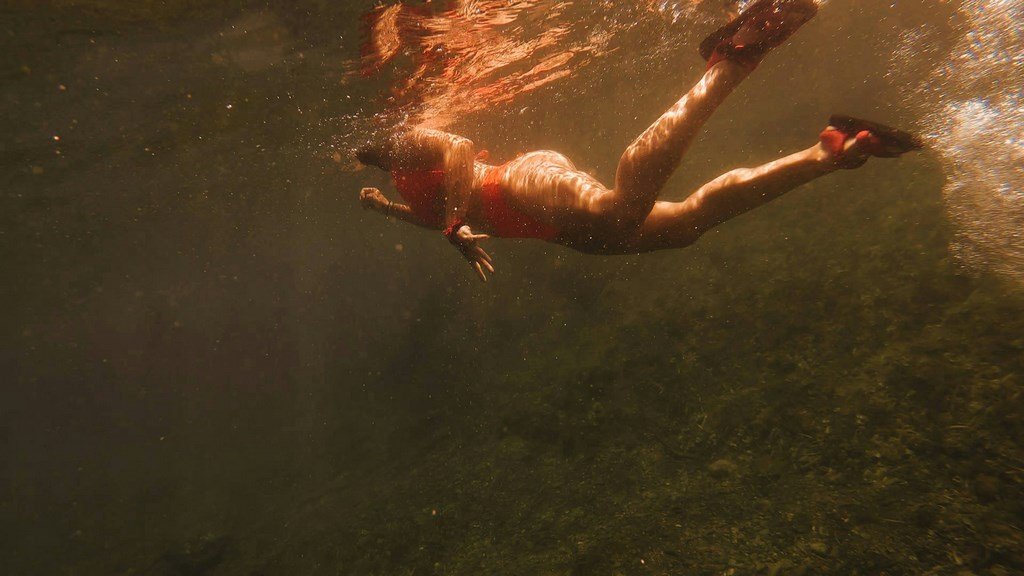

The call of the wild water is hard to ignore, especially when the British sun decides to make a rare appearance. However, for many, the “wild” part of wild swimming can be a bit daunting. If you aren’t an Olympic-level athlete or a seasoned channel swimmer, the thought of deep, dark lochs or crashing Atlantic waves can feel more like a chore than a dip.
As someone who has explored the length and breadth of the UK—from the tidal pools of Kent to the gentle tarns of Cumbria—I firmly believe that nature’s pools are for everyone. You don’t need to be able to swim miles to experience the magic of the water. Sometimes, the most life-affirming dip is one where you can still feel the sand between your toes and the safety of the shore just a few steps away.
In this guide, we are looking at the “gentle gems” of the UK—spots with shallow entries, minimal currents, and clear views that are perfect for weak swimmers or those just building their confidence.
Why “Shallow Entry” is the Secret to Confidence
For a weak or nervous swimmer, the biggest hurdle is the “drop-off.” Many UK lakes have steep, slippery edges where the depth goes from ankle-deep to six feet in a single step. For a safe experience, you want a gradual incline.
A shallow entry allows you to:
Acclimatise Slowly: (See our guide on Cold Water Shock!) You can control the pace of your entry.
Maintain Control: If you feel tired or panicked, you can simply stand up.
Focus on Technique: Without the fear of depth, you can enjoy the sensory experience of the water.
The Best “Gentle” Spots Across the UK
Here are our top picks for spots where the water is kind and the views are spectacular.
1. Crummock Water, Lake District (North Shore)
While Windermere is famous, it can be deep and busy with boats. Crummock Water is its quieter, gentler cousin. The northern shore near the car park offers a long, pebbly beach with a very gradual slope. You can walk out a significant distance and still be only waist-deep.
The Vibe: Peaceful, majestic mountain views, and crystal-clear water.
2. Walpole Bay Tidal Pool, Margate
If the open sea feels too unpredictable, tidal pools are your best friend. Walpole Bay is a massive man-made enclosure that fills with seawater at high tide. It has a flat, concrete bottom near the edges, making it incredibly easy to stand up. It feels like a giant, salty swimming pool without the waves.
The Vibe: Retro-cool, social, and perfectly safe from currents.
3. Bude Sea Pool, Cornwall
Similar to Walpole but nestled into the dramatic cliffs of North Cornwall. Bude Sea Pool is a haven for families and weak swimmers. It offers the thrill of the Atlantic without the danger of rip currents (see our guide on Rip Currents!).
The Vibe: Classic Cornish holiday feel with total peace of mind.
4. Loch Morlich, Highlands, Scotland
Yes, a loch can be safe! Loch Morlich is famous for being the “beach in the mountains.” It has actual golden sand and the entry is incredibly shallow for a Scottish loch. Because it’s relatively shallow overall, the water also tends to be a degree or two warmer than the deeper lochs.
The Vibe: Alpine scenery with a soft, sandy safety net.
5. River Thames, Pangbourne (Goring Gap)
For a river dip, you want a spot where the current is “lazy.” The stretch of the Thames at Pangbourne is wide and slow. Near the meadows, there are several spots with shallow, gravelly entries where you can paddle and swim close to the bank without being swept away.
The Vibe: Quintessential English countryside and weeping willows.
Comparison of Beginner-Friendly Spots
| Location | Water Type | Entry Type | Best Feature | Safety Level |
| Crummock Water | Lake | Pebbly / Gradual | Crystal-clear visibility | High |
| Walpole Bay | Tidal Pool | Concrete / Flat | No waves or currents | Exceptional |
| Bude Sea Pool | Tidal Pool | Steps / Slope | Atlantic views, safe enclosure | Exceptional |
| Loch Morlich | Loch | Sandy / Very Shallow | Sand between your toes | High |
| River Thames | River | Gravel / Slow | Gentle current, easy exit | Moderate |
3 Safety Rules for Weak Swimmers
Wear a Tow Float: (See our guide on Tow Floats!). It’s not just for visibility; it’s a physical object you can hold onto if you need a breather.
Stay Parallel: Never swim away from the shore. Swim along the shoreline so you are always the same distance from safety.
Check the Weather: Wind can create “chop” even in shallow water, which can be disorienting for weak swimmers. Aim for calm, still days.
FAQ: Safe Dipping for Beginners
1. Is it safe to swim where I can’t touch the bottom?
If you are a weak swimmer, we recommend staying in depths where you can stand up if needed. As your confidence grows, you can gradually venture further, but always with a tow float and a buddy.
2. What should I do if I get a cramp?
Don’t panic. Roll onto your back, hug your tow float, and use your arms to scull back to where you can stand. The “Float to Live” technique is vital here.
3. Do I need a wetsuit if I’m only staying in the shallows?
Wetsuits provide extra buoyancy, which can be a huge confidence booster for weak swimmers. They also keep you warmer for longer, allowing you to relax and enjoy the experience.
4. How do I know if a river is too fast?
Look at the bubbles or debris on the surface. If it’s moving faster than a brisk walking pace, it might be too strong for a weak swimmer. Always enter a river against the flow so you can see what’s coming.
5. Are there “lifeguarded” wild swimming spots?
Most lakes and rivers are not lifeguarded. However, many coastal tidal pools and popular beaches (between the red and yellow flags) have RNLI lifeguards. These are the best places to start!