
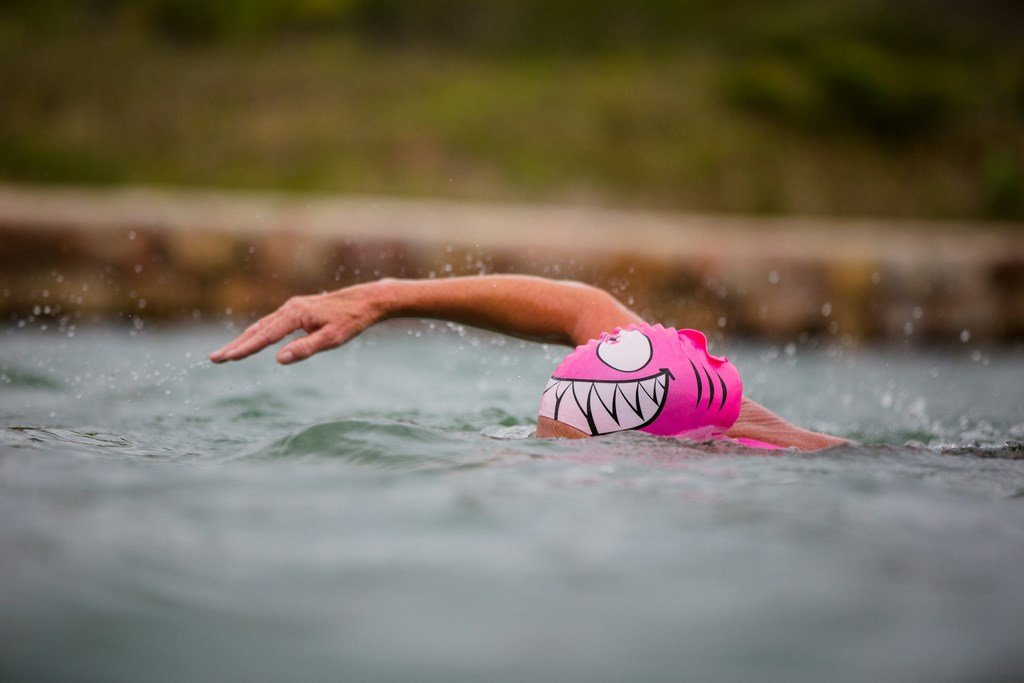
There is a specific kind of magic in a British wild swim. It’s the sharp intake of breath as you enter a cold Lakeland tarn, or the rhythmic pull of the tide against the chalk cliffs of Sussex. But for those of us with “volume-blessed” hair—whether it’s waist-length waves, thick curls, or braids—there is a less magical side: the post-swim birds-nest.
In 2026, the “one size fits all” latex cap is a relic of the past. As a traveller who has dipped into everything from the peaty burns of the Highlands to the salty swells of Cornwall, I’ve learned that the wrong cap doesn’t just let water in—it actively damages your hair, snapping strands and pulling at the hairline.
Whether you’re a year-round “ice seeker” or a summer dipper, finding the right cap is the difference between a relaxing recovery and a two-hour battle with a wide-tooth comb. Here is our wild-swimming-tested guide to the best caps for long hair.
The Three Tiers of Hair Protection
When it comes to long hair, your choice of material is your first line of defence.
1. The “Volume” Specialists (Extra-Large Silicone)
Standard caps are designed for hydrodynamic speed, not hair storage. Volume-specific caps, most famously pioneered by Soul Cap, feature a “bubble” or extended back that allows your hair to sit in its natural bun or braid without being crushed against your skull.
The Benefit: No “tension headaches” from a cap that’s too tight.
2. The “Thermal” Shield (Neoprene)
If you are a winter swimmer in the UK, a silicone cap alone won’t keep you warm. Neoprene (wetsuit material) caps are thicker ($2\text{mm}$ to $4\text{mm}$) and often feature a chin strap.
The Benefit: They trap a thin layer of water against your head which stays warm, protecting you from “brain freeze.”
3. The “Comfort” Layer (Fabric & Lycra)
Lycra caps are the kindest to your hair as they don’t “grab” or pull. However, they are completely porous.
The Wild Swim Hack: Many long-haired swimmers wear a Lycra cap underneath a silicone or neoprene one. This prevents the rubber from snagging your hair while providing a waterproof outer layer.
Top 5 Swim Caps for Long Hair in 2026
| Brand & Model | Material | Best For… | Hair Type | UK Price |
| Soul Cap (Large/XL) | 100% Silicone | Voluminous hair / Braids | Curls, dreads, very long | £18.00 |
| Speedo Long Hair Cap | Silicone | Medium-long hair | Straight or wavy | £12.00 |
| Zone3 Neoprene Cap | 3mm Neoprene | Winter Wild Swimming | All types (for warmth) | £29.00 |
| TYR Long Hair | Wrinkle-free Silicone | Competitive open water | Thicker, long hair | £14.00 |
| Lomo Long Hair Cap | Heavy Silicone | Budget-friendly wild swimming | Buns and braids | £3.99 |
3 “Pro” Steps to Protect Your Hair Before the Plunge
Even the best cap isn’t 100% waterproof. If you submerge your head, some water will seep in at the nape of the neck. Here is the 2026 “Gold Standard” routine for long-haired adventurers:
The Fresh Water Pre-Soak: Your hair is like a sponge. If you soak it with fresh water (from a bottle or a tap) before you enter the sea or a lake, it won’t be able to absorb as much salt or silt.
The Barrier Method: Apply a small amount of coconut oil or a “swimmer-specific” conditioner to your ends before putting the cap on. This creates a waterproof seal around each strand.
The Low Bun: Secure your hair in a low bun or a French braid. Avoid high ponytails, which create a “pointy” shape that makes the cap more likely to slide off.
Why the “Bubble Cap” is Making a Comeback
You may have seen “retro” bubble caps (the ones with the little rubber dots) on the fells lately. These aren’t just for style. The “bubbles” are filled with air, which provides surprisingly good thermal insulation. For long-haired swimmers, they offer a much more generous fit than sleek racing caps, making them a fantastic “mid-season” choice for the UK.
FAQ: Your Hair and the Water
1. Is a “waterproof” cap actually waterproof?
No swim cap is a diving bell. If you swim with your head under, water will eventually leak in through the ears or the hairline. The goal of a long-hair cap is to minimize this and keep your hair contained and protected.
2. Which is better for long hair: Silicone or Latex?
Silicone, every time. Latex is thinner and much more prone to pulling and snapping long hair. Silicone is hypoallergenic, more durable, and has a smoother surface that glides over your strands.
3. My cap always slides off. What am I doing wrong?
This usually happens if your hair is too dry or if you have too much “product” (like heavy oils) near the hairline. Wetting your hair slightly before putting the cap on actually creates a “suction” effect that helps the cap stay in place.
4. Can I wear two caps?
Yes! This is a common trick for UK winter swimmers. A thin silicone cap to keep the hair contained, covered by a $3\text{mm}$ neoprene cap for warmth.
5. How do I stop my cap from smelling like a damp dog?
Rinse your cap in fresh water after every swim and—this is the important part—dry it flat. If you leave it scrunched up in your kit bag, the silicone will degrade and develop a funky odour.
![7 Best Waterproof Walking Boots for Muddy UK Trails [2026 Review]](https://ladyplatform.com/wp-content/uploads/2026/01/Salomon-Quest-4-GTX.jpg)
![Tired of High Prices? 5 Affordable Dryrobe Alternatives for Wild Swimming [2026 Guide]](https://ladyplatform.com/wp-content/uploads/2026/01/dryrobe-alternative.jpg)