
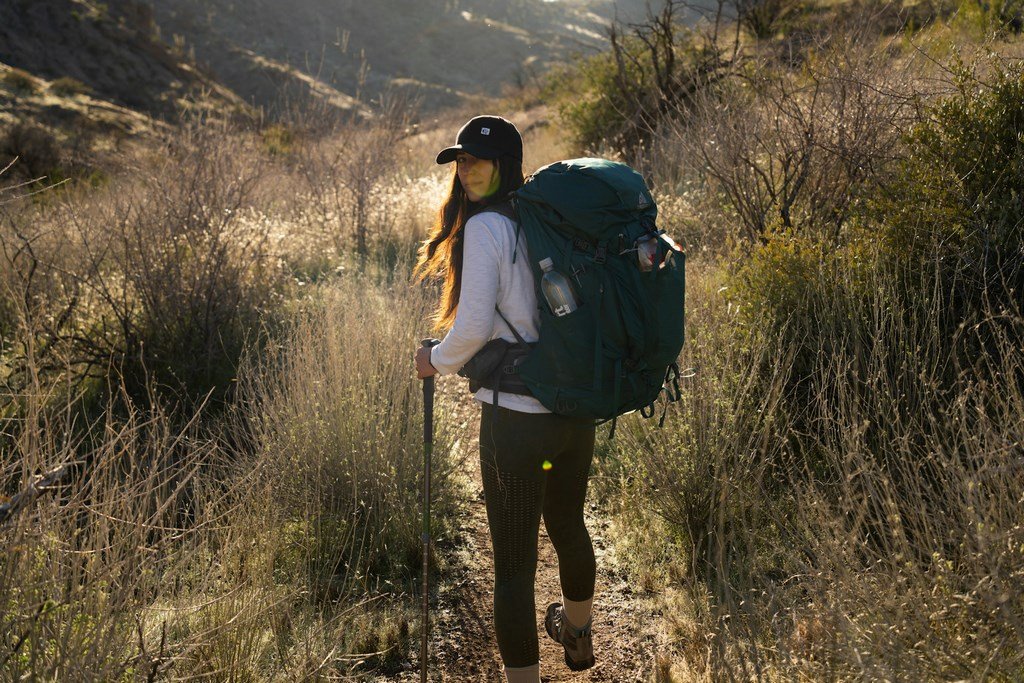
Let’s be honest: the outdoor industry has a bit of an image problem. If you flick through a glossy mountain magazine in 2026, you’d be forgiven for thinking that you need a £500 GORE-TEX shell and a £200 pair of carbon-fibre poles just to walk up a hill in the Peak District. For a student living on a maintenance loan and a diet of “yellow-sticker” supermarket deals, those prices aren’t just high—they’re astronomical.
As someone who spent my own university years hitchhiking to the Lake District and sleeping in “creative” (read: very cold) spots, I can tell you a secret: the mountains don’t care how much your jacket cost. The views from the top of Catbells or Snowdon are just as spectacular in a £30 fleece as they are in a £300 one.
The UK is actually one of the best places in the world to find high-quality hiking gear on a shoestring budget. You just need to know where to look. Here is your definitive guide to kitting yourself out for the “Great British Outdoors” without emptying your savings account.
The “Student Starter” Philosophy: Buy Once, Buy Smart
Before we talk about where to buy, we need to talk about what to buy. When money is tight, you need to prioritise the “Safety Trinity”:
Footwear: You can skimp on your trousers, but poor boots will end your hike (and your toenails) very quickly.
Waterproofing: The British weather is famously fickle. A wet hiker is a cold, miserable hiker.
Insulation: Layers are your best friend. Multiple cheap layers are better than one expensive one.
Top 5 Places for Budget Gear in the UK
1. Decathlon (The King of Value)
If you haven’t discovered Decathlon yet, consider this your official invitation. Their in-house brands (like Forclaz and Quechua) offer performance that often rivals “premium” brands for a quarter of the price.
Pro Tip: Look for their “Blue Products”—these are their basic, entry-level items that are unbeatable for value.
2. The “Pre-Loved” Market: Vinted & Depop
In 2026, the second-hand market is booming. Many people buy high-end gear for a New Year’s resolution, use it once, and then list it on Vinted for a fraction of the RRP.
Search Hack: Search for “Rab,” “Berghaus,” or “Montane” and filter by “Very Good” condition. You can often find professional-grade waterproofs for £40.
3. Charity Shop Crawling (The Hidden Gems)
Towns on the edge of National Parks—think Keswick, Ambleside, or Buxton—have the best charity shops in the country. People often donate high-quality gear here when they upgrade.
Best For: Fleeces, base layers, and mid-layers.
4. Go Outdoors (The Member’s Secret)
Go Outdoors is a staple, but the secret is their Member’s Card. It costs £5 a year and unlocks “Member’s Prices” that are often 50% lower than the retail price.
Student Perk: They often stack their member discounts with StudentBeans or UniDays codes!
5. Ex-Rental and Refurbished Gear
Brands like Alpkit (a brilliant UK-based B-Corp) have an “Outlet” and a “Continuum” project where they sell refurbished gear and samples. It’s eco-friendly and student-wallet friendly.
Comparison: Where to Spend vs. Where to Save
| Item | Strategy | Budget Source | Estimated Cost |
| Hiking Boots | Spend (Priority #1) | Decathlon (Forclaz) / Sales | £45 – £70 |
| Waterproof Jacket | Search (Priority #2) | Vinted / Go Outdoors Clearance | £30 – £50 |
| Hiking Trousers | Save | Charity Shops / Military Surplus | £5 – £15 |
| Base Layers | Save | Uniqlo (Heattech) / Decathlon | £10 – £15 |
| Rucksack | Search | Second-hand / Facebook Marketplace | £15 – £25 |
3 “Cheeky” Ways to Save Extra Cash
The Military Surplus Secret: British Army surplus stores sell some of the most durable waterproofs and socks in existence. They aren’t fashionable, but they are built to survive a trench, so they’ll definitely handle a weekend in Snowdonia.
Borrow Before You Buy: Many university “Outdoor” or “Hiking” clubs have gear cupboards. You can often hire boots, waterproofs, and even tents for a nominal fee (or just a pint at the pub).
The “Lidl/Aldi” Middle Aisle: Twice a year (usually spring and autumn), these supermarkets run “Hiking Weeks.” Their merino wool socks and walking poles are legendary among budget hikers.
Why “Student Gear” Doesn’t Mean “Bad Gear”
In 2026, synthetic fabrics have become so efficient that the difference between a £50 jacket and a £250 jacket is often just weight and “brand prestige.” For a student, a slightly heavier jacket isn’t a deal-breaker—it just means you’re getting a better workout! The key is looking for Taped Seams and Breathable Fabrics, regardless of the brand name.
FAQ: Budget Hiking for Students
1. Is second-hand gear safe to buy?
For clothes and bags, yes! For footwear, be careful. If the tread is worn down or the midsole is “crumbly,” they won’t protect you on a mountain. Always ask for a photo of the soles before buying on Vinted.
2. What is the one thing I shouldn’t buy “cheap”?
Socks. Cheap cotton socks cause blisters. Invest in one pair of Merino Wool socks (like Darn Tough or Bridgedale). They are expensive (£15-£20), but they last for years and keep your feet blister-free.
3. Do I need a special “hiking” water bottle?
Absolutely not. An old $1$-litre Lucozade bottle is lighter and more durable than many fancy bottles. Reusing plastic is the ultimate budget and eco-move.
4. How do I get student discounts on hiking gear?
Download the StudentBeans and UniDays apps. Brands like Cotswold Outdoor, Helly Hansen, and North Face frequently offer 10%–15% off for students.
5. Is it cheaper to hike in a group?
Yes! Splitting a “Group Railcard” or sharing the petrol costs for a car makes a massive difference. Plus, you can share gear like stoves and maps.
![7 Best Waterproof Walking Boots for Muddy UK Trails [2026 Review]](https://ladyplatform.com/wp-content/uploads/2026/01/Salomon-Quest-4-GTX.jpg)
![Tired of High Prices? 5 Affordable Dryrobe Alternatives for Wild Swimming [2026 Guide]](https://ladyplatform.com/wp-content/uploads/2026/01/dryrobe-alternative.jpg)