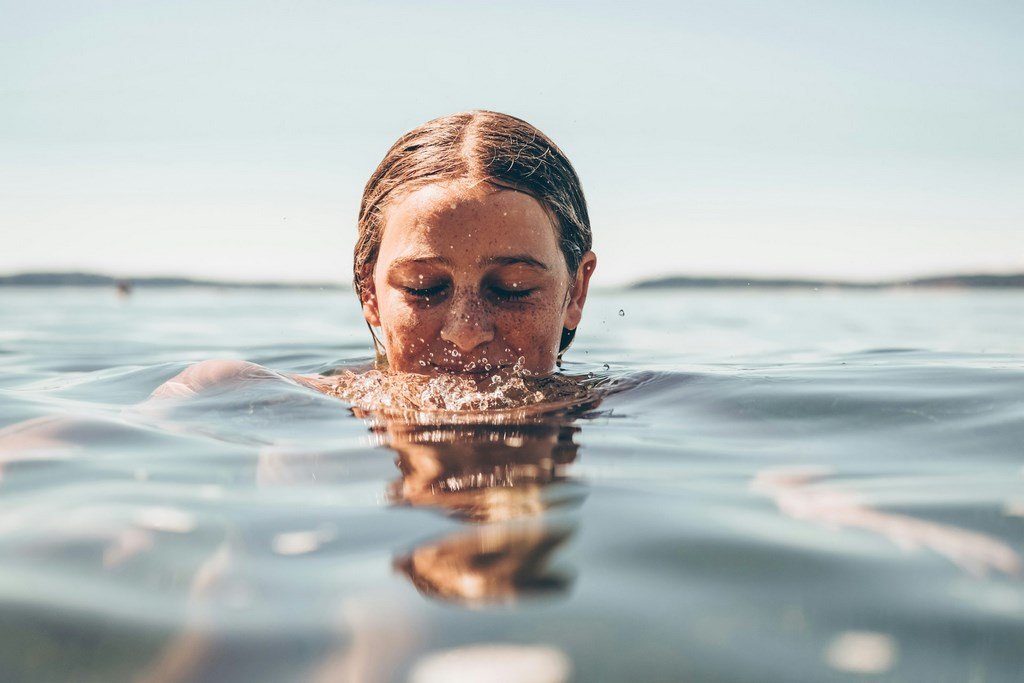

There is a particular kind of madness that takes hold of the British public between December and March. While most sensible people are huddling closer to their radiators with a mug of builder’s tea, a growing tribe of “ice seekers” is heading toward the Serpentine, the Lake District fells, or the frigid North Sea. They strip down to their bathers, gasp as they hit the $4^\circ\text{C}$ water, and emerge ten minutes later with skin the colour of a boiled lobster and grins that suggest they’ve just won the lottery.
The anecdotal evidence is everywhere. “I haven’t had a cold in three years!” one swimmer will tell you. “It’s my natural flu jab,” says another. But as a traveller who has dipped into the UK’s most legendary (and literal) ice-buckets, I wanted to know: is there hard science behind the hype? In 2026, as we look for natural ways to bolster our health, does the “winter chill” actually make us more resilient, or is it just a very cold placebo?
The Science of the Shiver: What Happens to Your Cells?
When you submerge yourself in icy water, your body doesn’t just feel “cold”—it undergoes a total physiological revolution. This is where the immunity claims begin.
1. The “Leukocyte Surge”
Studies have shown that regular cold water immersion can lead to an increase in the count of white blood cells (leukocytes). Because the body is forced to react to changing conditions, over time, your immune system becomes better at “patrolling” for invaders. Think of it as a fire drill for your white blood cells; the cold keeps them on their toes.
2. Hormetic Stress (The “Good” Kind)
“Hormesis” is a biological phenomenon where a brief, controlled stressor actually makes an organism stronger. Just as lifting weights creates tiny tears in muscle that heal back stronger, the cold water shock “stresses” the immune system just enough to trigger a more robust anti-inflammatory response.
3. Circulation and Lymphatic Drainage
The cold causes your lymph vessels to contract, which forces your lymphatic system to pump fluids throughout the body. This helps flush out waste products and ensures that immune cells reach their destinations faster. It’s like a deep-clean for your internal plumbing.
Comparison: Winter Swimming vs. Traditional Immunity Boosters
| Feature | Winter Swimming | Daily Vitamin C / Supplements |
| Primary Mechanism | Hormetic stress & circulation | Nutritional support |
| Mental Health Impact | High (Dopamine/Endorphin rush) | Negligible |
| Anti-Inflammatory | Yes (Vasoconstriction) | Moderate (Antioxidant) |
| Metabolic Boost | Yes (Brown fat activation) | Low |
| Risk Level | Moderate (Requires safety training) | Very Low |
| Cost | Free (After basic gear) | Monthly cost of pills |
3 Tips to Safely “Hack” Your Immunity This Winter
If you’re ready to join the “lobster-skinned” brigade, safety is the foundation of health. You cannot boost your immunity if you are recovering from hypothermia.
Acclimatise, Don’t Leap: The best way to swim in winter is to never stop swimming in autumn. Gradually decreasing temperatures allow your body to build up “brown fat”—the thermogenic tissue that keeps you warm.
The “Rule of Minutes”: A common guide in the UK community is one minute in the water for every degree of temperature (e.g., 5 minutes in $5^\circ\text{C}$ water). However, in 2026, experts suggest that even two minutes is enough to trigger the immune benefits without risking a dangerous drop in core temperature.
The “After-Drop” Ritual: Your core temperature continues to fall for up to 40 minutes after you get out. To protect your immune system, get dry, get layered in wool, and drink something hot immediately. (Check out our guide to The Best Thermal Robes for 2026!).
Is There a Downside?
It’s important to be candid: winter swimming isn’t a magic shield. If you are already run down, exhausted, or fighting a virus, the shock of cold water can actually suppress your immune system temporarily by spiking cortisol. The key is to swim when you feel “okay” to ensure you end up feeling “great.”
FAQ: Cold Water & The Immune System
1. Can I start winter swimming if I currently have a cold?
No. If your body is already fighting an infection, adding the massive stress of cold water immersion can overwhelm your system. Wait until you are 100% recovered before heading back to the water.
2. Does a cold shower work as well as a lake swim?
A cold shower provides similar cardiovascular benefits and a dopamine hit, but it lacks the “hydrostatic pressure” of being submerged in a body of water, which is key for lymphatic drainage. It’s a great “gateway” habit, though!
3. Is it true that winter swimmers don’t get the flu?
There is no “flu immunity” guarantee. However, regular swimmers often report that when they do get sick, their symptoms are milder and their recovery time is significantly faster.
4. What is the “Winter Swim High”?
It’s the flood of endorphins and dopamine that lasts for hours after a dip. This reduces stress, and since stress is a major immune-suppressor, the “high” is actually a vital part of the health benefit.
5. Do I need to go all the way under?
For the full immune response, you want the water to reach your chest/shoulders to stimulate the vagus nerve. However, keeping your hair dry with a woolly hat is a classic British trick to stay in longer!