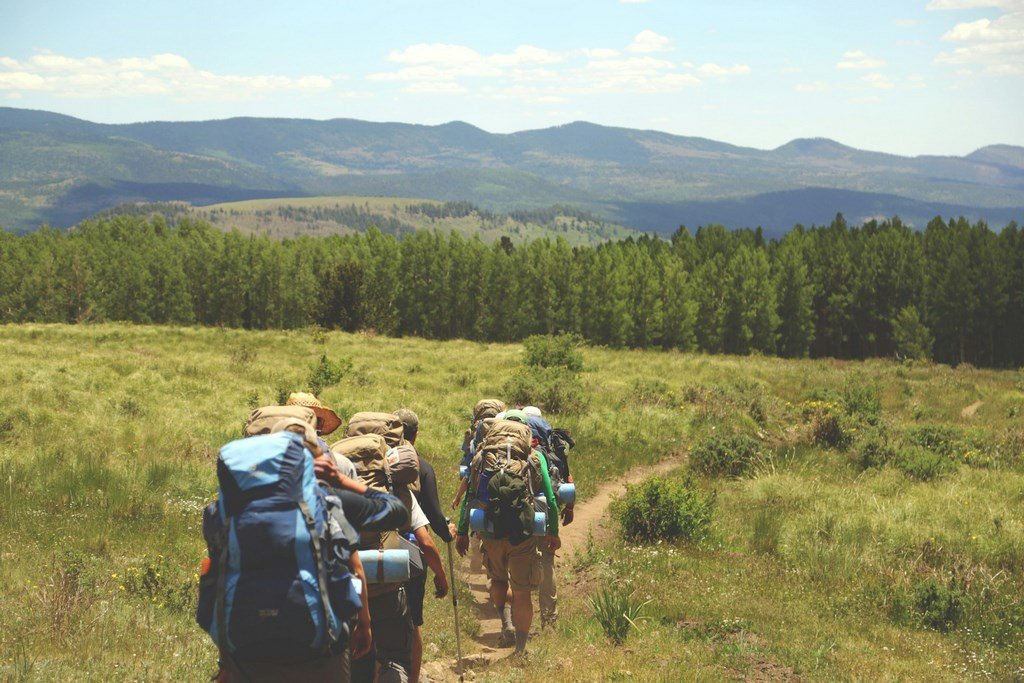
For many of us, the UK’s fells and woodlands are a sanctuary. But if you live with anxiety, “getting away from it all” isn’t always as simple as lacing up your boots. Sometimes, the worries follow you. You find yourself standing on a spectacular ridge in the Lake District or a quiet beach in Norfolk, but instead of hearing the skylarks, you’re hearing the “thought-loops” of your own mind—replaying a work email, worrying about the future, or feeling that familiar, fluttering tightness in your chest.
As a traveller who has walked thousands of miles across these islands, I have learned that walking is only half the cure. The other half is mindfulness.
In 2026, we are increasingly aware that our brains need “software updates” to handle the noise of modern life. Mindful walking is that update. It is the art of moving your awareness from the abstract (your worries) to the concrete (the ground beneath your feet).
Here is how to transform your next stroll into a moving meditation, specifically designed for the anxious walker.
Why Walking is the Natural Antidote to Anxiety
When we are anxious, our “fight or flight” system is stuck in the “on” position. Walking provides a physical outlet for that pent-up energy. However, Mindful Walking goes a step further by engaging the parasympathetic nervous system—the “rest and digest” mode.
By focusing on the sensory details of a British woodland or a coastal path, you give your brain a “job” that is soothing rather than stressful. You aren’t just walking; you are grounding yourself in the present moment.
5 Mindfulness Exercises for the Trail
1. The “Contact Point” Scan
Anxiety often makes us feel “ungrounded,” as if we’re floating in our own heads. This exercise brings you back to the earth.
The Exercise: As you walk, bring your entire focus to the soles of your feet. Feel the heel strike, the roll across the arch, and the push-off from the toes.
UK Tip: Notice the difference in texture between a bouncy peat bog, a firm gravel track, and the unyielding gritstone of the North.
2. The “5-4-3-2-1” Sensory Grounding
This is a classic technique adapted for the outdoors. It’s perfect for when you feel a wave of panic or “overwhelm” rising.
5 Things You Can See: (The moss on a wall, the shape of a cloud, the colour of a lichen).
4 Things You Can Feel: (The wind on your ears, the texture of your rucksack strap, the sun on your hands).
3 Things You Can Hear: (The distant “baaa” of a sheep, the rustle of dry bracken, your own breathing).
2 Things You Can Smell: (The scent of pine needles, the dampness of a coming rain).
1 Thing You Can Taste: (The freshness of the air, or perhaps a sip of water).
3. Rhythmic Breathing (The 4-6 Count)
Anxiety leads to shallow, rapid breathing. This exercise regulates the heart rate.
The Exercise: Match your breath to your steps. Inhale for 4 paces, then exhale for 6 paces. Making the exhale longer than the inhale sends a direct signal to your brain to “relax.”
4. The “Fractal Focus”
The UK landscape is full of “fractals”—repeating patterns in nature that the human eye is evolutionarily designed to find relaxing.
The Exercise: Find a fern, a deciduous leaf, or a snowflake. Trace its patterns with your eyes for one minute. This “soft fascination” allows the brain’s “executive function” (the part that worries) to take a break.
5. The “Leaf Drift” (Visualisation)
Perfect for when you can’t stop thinking about a specific problem.
The Exercise: Find a stream or even a small puddle with a breeze. Pick up a fallen leaf. Mentally “attach” your specific worry to that leaf. Place it in the water and watch it float away until it’s out of sight.
Comparison: Standard Walking vs. Mindful Walking
| Feature | Standard Walking | Mindful Walking |
| Focus | Destination / Distance | The physical sensation of moving |
| Thought Process | Often ruminating on past/future | Centred in the “here and now” |
| Breathing | Unconscious / Shallow | Rhythmic and deep |
| Sensory Input | Filtered out | Actively sought and noticed |
| Result | Physical tiredness | Mental clarity & nervous system reset |
3 “Pro” Tips for Anxious Adventurers
Lower Your Expectations: Some days, your mind will be louder than others. That’s okay. The goal isn’t “perfection”; it’s simply “noticing.” If you get distracted 100 times, just bring your focus back to your feet 101 times.
Choose “Quiet” Over “Iconic”: If crowds trigger your anxiety, avoid the “honeypot” spots like the top of Snowdon on a Saturday. Check out our guide on Quiet Hiking Trails in the Cotswolds for more peaceful alternatives.
The “Safety Anchor”: Carry a small “grounding object” in your pocket—a smooth pebble from a beach or a dried acorn. Rubbing it between your fingers can help bring you back to the present moment if thoughts begin to spiral.
FAQ: Walking and Mental Health
1. Can walking replace my anxiety medication?
No. Walking and mindfulness are powerful complementary tools, but they should be used alongside—not instead of—medical advice and prescribed treatment. Think of it as part of your “wellness toolkit.”
2. What if I have a panic attack while I’m out walking?
Stop immediately. Sit down on the ground (contact with the earth helps). Use the 5-4-3-2-1 technique. Remember that you are safe, the sensation will pass, and the landscape is holding you.
3. Does it matter where I walk?
While “Green Spaces” (woods/fields) are great, “Blue Spaces” (near water) have been shown to be even more effective at lowering cortisol. A coastal walk or a stroll by a canal is often the best choice for high-anxiety days.
4. How long do I need to walk to feel the benefits?
Research suggests that as little as 20 minutes of mindful walking can significantly lower stress hormones. It’s about the quality of the attention, not the quantity of the miles.
5. Should I listen to a podcast or music?
If you are walking specifically to manage anxiety, try walking in silence first. External noise can sometimes act as a “buffer” that prevents you from actually processing your thoughts and grounding yourself.