
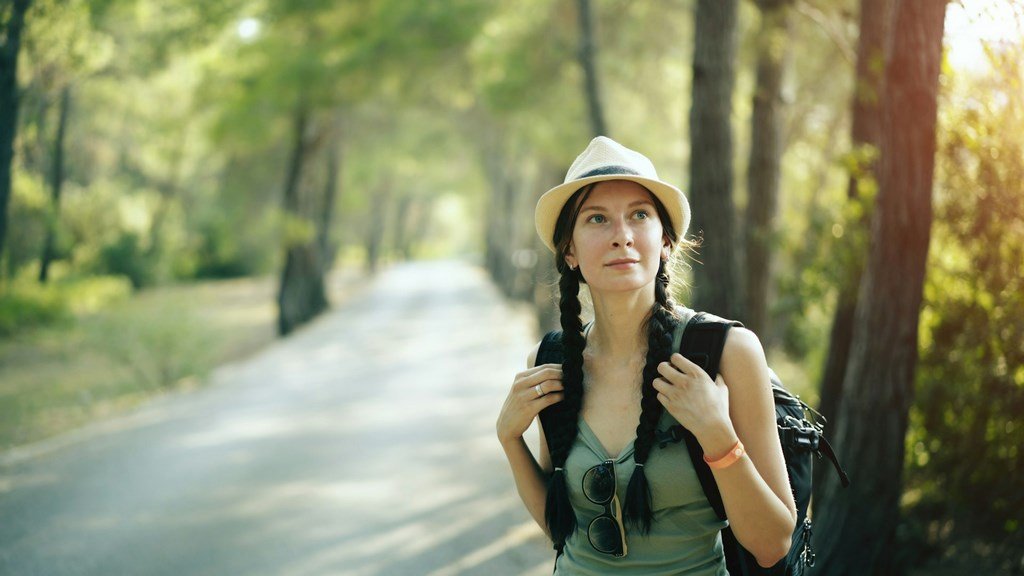
The call of the wild is undeniable. For many women across the UK, there’s a unique and powerful allure to solo hiking—the freedom, the solitude, the quiet empowerment of conquering a trail on your own terms. From the dramatic cliffs of the Scottish Highlands to the rolling hills of the South Downs, Britain offers an astonishing array of landscapes perfect for introspection and adventure.
However, the reality of solo female hiking comes with an undeniable layer of consideration: safety. While the vast majority of our trails are incredibly safe, being prepared and proactive is key to turning potential worries into confident strides. This isn’t about fostering fear; it’s about fostering empowerment through preparation.
As a seasoned rambler of the British Isles, I’ve spent countless hours navigating our beautiful, sometimes challenging, terrain alone. This comprehensive guide will equip you with the knowledge, tips, and confidence to safely embrace the profound joy of solo hiking on UK trails in 2026.
The Unique Joys (and Considerations) of Solo Hiking
Before we dive into the practicalities, let’s acknowledge why solo hiking is so rewarding:
Freedom: Hike at your own pace, stop when you want, change your route on a whim.
Mindfulness: Truly connect with nature without distraction.
Self-Reliance: Build confidence in your own abilities and problem-solving skills.
However, these joys come with increased responsibility. There’s no one to share the load, read the map when you’re tired, or raise the alarm if something goes wrong. This is why meticulous preparation is paramount.
The Pillars of Solo Safety: Your UK Trail Checklist
We’ll break down safety into three key areas: Planning, On-Trail Awareness, and Emergency Preparedness.
1. Planning: The Foundation of a Safe Hike
Research Your Route:
Know the Terrain: Is it rocky, boggy, exposed? Check recent trail conditions. The Mountain Weather Information Service (MWIS) and Met Office are your best friends.
Check Accessibility: Are there public transport links or safe parking?
Read Reviews: Look for recent hiker reviews, especially from other solo women, to get a feel for the trail’s atmosphere.
Tell Someone Your Plan:
The “Route Card”: Leave a detailed note with a trusted friend or family member: your exact route, estimated start/finish times, and who to call if they don’t hear from you.
WhatsApp Live Location: Share your live location with your contact.
Charge Your Phone (and Carry a Power Bank): This is non-negotiable. Phone signal can be patchy in remote UK areas, but you’ll need it for emergencies, maps, and checking in.
Pack Appropriately (See Budget Gear Article!): Even on a “short” hike, carry the essentials: extra layers, waterproofs, first-aid kit, food, water, and a head torch (even in summer, just in case).
Consider a PLB/Satellite Messenger (for Remote Areas): If you’re tackling truly remote Scottish Munros or long-distance paths, a Personal Locator Beacon (PLB) or satellite messenger (like Garmin InReach Mini) allows you to call for help even without phone signal.
2. On-Trail Awareness: Your Personal Radar
Trust Your Gut: This is your most powerful safety tool. If a person or situation feels off, remove yourself. Change direction, pretend to tie your shoelace, or walk purposefully past.
Situational Awareness: Don’t hike with headphones in both ears. Listen to your surroundings. Notice who is around you, where they came from, and where they’re going.
Look Confident: Walk with purpose, even if you’re internally navigating a mental map. Head up, shoulders back.
Don’t Share Too Much: If you strike up a conversation, keep personal details vague. “Lovely day for a walk!” is fine; “I’m hiking alone and camping over there tonight” is not.
Navigation Skills: Always carry a physical map and compass, and know how to use them. Phone batteries die, and GPS can be unreliable.
3. Emergency Preparedness: When Things Go Wrong
First Aid Knowledge: Know basic first aid. How to treat blisters, sprains, and minor cuts.
Know Who to Call: In the UK, 999 for Mountain Rescue. Don’t hesitate to call if you are genuinely lost, injured, or in a dangerous situation.
Carry a Whistle: Six short blasts repeated every minute is the international distress signal.
Learn Self-Defence Basics (Optional): While rare, knowing a few basic moves can boost your confidence. Many local gyms offer women’s self-defence classes.
Always Carry Water & Snacks: Dehydration and low blood sugar can lead to poor decision-making.
Gear for Enhanced Solo Safety
| Item | Why It’s Essential for Solo Hikers | Budget-Friendly Option |
| Fully Charged Phone + Power Bank | Navigation, emergency calls, communication | Anker PowerCore (Amazon) |
| Physical Map & Compass | Backup navigation; phone battery dies! | Ordnance Survey (OS) map, simple Silva compass |
| Head Torch | Unexpected delays, navigating in low light | Decathlon Forclaz Headlamp |
| Whistle | Distress signal; heard further than voice | Integrated into many rucksack chest straps; or cheap sports whistle |
| Mini First Aid Kit | Blisters, cuts, sprains | Pre-packed kits from Boots/Superdrug |
| Personal Alarm | Audible deterrent in an emergency | Small, loud alarm from Amazon |
| Offline Map App | GPS even without signal (e.g., OS Maps, AllTrails) | OS Maps App (subscription), AllTrails (free basic) |
| Trail Specific Footwear | Grip and ankle support to prevent injury | Hi-Tec or Regatta walking boots |
The Power of Community
While this guide focuses on solo hiking, remember the power of the outdoor community. Consider joining a local walking group to build your skills and confidence before striking out alone. Many groups (like the Ramblers Association) are incredibly welcoming and safe.
FAQ: Solo Female Hiking Safety
1. Is it really safe to hike alone in the UK as a woman?
Yes, overwhelmingly so. The UK has a very low rate of violent crime on trails. The biggest risks are usually environmental (weather, navigation errors, slips). Preparation is the best defence against all risks.
2. What should I do if I encounter someone who makes me feel uneasy?
Trust your instincts. Make eye contact, offer a polite but brief greeting, and keep moving purposefully. If you feel genuinely threatened, use your personal alarm or whistle, make noise, and seek a well-lit or populated area if possible.
3. How do I deal with no phone signal in remote areas?
This is where your physical map and compass are crucial. Always download offline maps to your phone before you go. For true emergencies without signal, a PLB or satellite messenger is the only reliable option.
4. Should I carry self-defence spray?
In the UK, self-defence sprays (like pepper spray) are illegal. A personal alarm or whistle is a legal and effective alternative for deterring a potential threat and attracting attention.
5. How can I practice my navigation skills before going solo?
Start by joining a local walking group or taking a navigation course. Practice with your map and compass on familiar trails. Apps like OS Maps allow you to plan routes and follow them, acting as a digital backup to your physical map.