
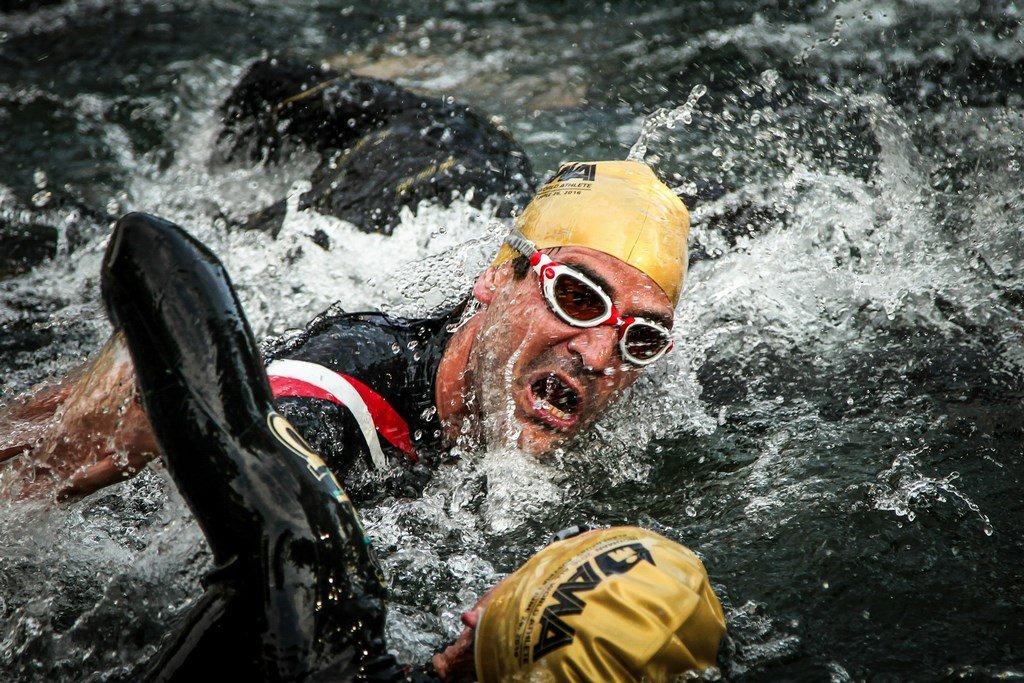
The beauty of wild swimming is its simplicity, but the transition from a heated leisure centre to the open water is a significant one. In a pool, the edges are always within reach and the temperature is controlled. In the wild, you are the master of your own safety.
In 2026, the technology for outdoor swimming has reached a new peak, focusing on two main pillars: Visibility and Thermal Protection. Here is the kit that should be in every beginner’s dry bag.
1. The Tow Float: Your Best Friend in the Water
If you buy only one piece of safety kit, make it a tow float. This is a brightly coloured (usually orange, pink, or neon yellow) inflatable buoy that you strap around your waist. It trails behind you as you swim.
Why it’s essential:
Visibility: It makes you visible to boats, jet skis, and—most importantly—anyone watching from the shore.
The “Rest Stop”: If you get a cramp or simply feel a bit panicked, you can hug the float. It won’t act as a life jacket, but it provides enough buoyancy to keep you calm while you catch your breath.
Storage: Many modern floats (like those from Puffin or Swim Secure) are also dry bags, allowing you to carry your car keys or a mobile phone (for emergency calls) in a waterproof compartment.
2. Brightly Coloured Swim Caps
In a dark, peaty lake or a choppy grey sea, a human head looks remarkably like a seal or a bobbing piece of driftwood.
The Rule: Never swim in a black or navy cap.
The Kit: Choose a high-vis silicone cap. In winter, many UK swimmers “double-hat”—wearing a neoprene cap underneath for warmth and a bright silicone cap on top for visibility.
3. Neoprene: Boots, Gloves, and Wetsuits
The British “summer” water temperature rarely rises above 18°C, and in winter, it can plummet to 4°C. Cold water shock is the biggest risk for beginners.
Wetsuits: A swimming-specific wetsuit (like the Zone3 Pursuit) provides buoyancy and insulation, allowing you to stay in longer without your core temperature dropping.
Boots & Socks: Your extremities are the first to feel the “bite.” Neoprene boots not only keep your toes from going numb but also protect your feet from sharp rocks and weaver fish.
Gloves: Vital for maintaining dexterity. If your hands get too cold, you won’t be able to get dressed or unbutton your coat when you get out!
4. Thermal Recovery: The Post-Swim Warm-Up
Safety doesn’t end when you exit the water. In fact, the “After-Drop”—when your core temperature continues to fall even after you’ve climbed out—is when many beginners get into trouble.
Changing Robes: Whether it’s a fleece-lined Dryrobe or a simple towelling poncho, getting out of the wind and into dry clothes quickly is a safety requirement.
The Flask: A thermos of warm (not scalding) tea or soup helps raise your temperature from the inside out.
Comparison Table: Beginner Safety Essentials
| Equipment | Primary Purpose | Necessity | Beginner Tip |
| Tow Float | Visibility & Rest | Essential | Get one with a dry-bag compartment. |
| Bright Swim Cap | Visibility to boats | Essential | Neon pink is the most visible in UK waters. |
| Neoprene Boots | Warmth & Protection | High | 3mm thickness is perfect for UK summers. |
| Wetsuit | Buoyancy & Insulation | Recommended | Look for “Open Water” specific suits. |
| Whistle | Emergency Signal | Recommended | Many tow floats have one integrated. |
| Thermometer | Safety Check | Optional | Check the temp before you get in! |
5 Pro-Tips for a Safe First Dip
Enter Slowly: Never dive or jump in. Walk in slowly to allow your body to adjust and avoid cold water shock.
Swim Parallel to Shore: Don’t head for the middle of the lake. Stay close to the edge where you can touch the bottom if needed.
The “Buddy” System: Never swim alone as a beginner. Join a local “Salty Dippers” or “Wild Swim” Facebook group—they are incredibly welcoming.
Know Your Exit: Before you get in, identify exactly where you will get out. Banks can be slippery and tides can move your entry point.
Check the Quality: (See our guide on Checking Water Quality!) Always use the SAS Safer Seas app before you head to the coast.
FAQ: Safety First
1. Is a tow float a life jacket?
No. It is a buoyancy aid designed to make you visible and offer a temporary rest. It will not keep an unconscious person’s head above water.
2. Why do I feel dizzy after a cold swim?
This is often caused by cold water entering the ear canal. Wearing earplugs can prevent “surfer’s ear” and stop that disorienting dizzy feeling.
3. Do I really need a wetsuit in the summer?
You don’t need one, but as a beginner, it provides a “safety buffer” of warmth and buoyancy while you learn how your body reacts to the open water.
4. What should I do if I get caught in a rip current?
Don’t panic and don’t try to swim against it. Swim parallel to the shore until you are out of the current, then head back to land.
5. How long should a beginner stay in the water?
In cold water, follow the “minute per degree” rule as a maximum, but for your first few dips, 5-10 minutes is plenty. It’s better to get out wanting more than to stay in too long and suffer the “after-drop.”