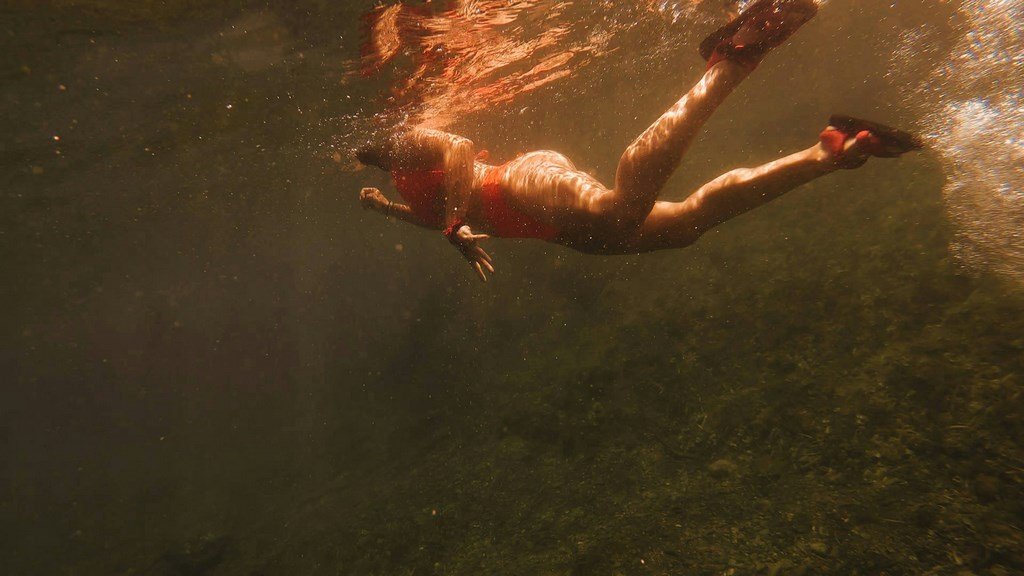

Wild swimming has officially moved from the fringes of “eccentric British pastimes” to a mainstream wellness movement. In 2026, you can’t walk past a UK lake or tidal pool without seeing a sea of neon silicone caps and the silhouettes of changing robes. But as the community grows, so does a quieter, more pragmatic conversation: What happens when things go wrong?
As a traveller who has dipped into everything from the crystal-clear burns of the Highlands to the choppy waters of the English Channel, I know that the “wild” in wild swimming is exactly what makes it magical—and what makes it unpredictable. We talk a lot about cold water shock and tide times, but we rarely talk about the financial or legal “after-drop.”
Do you really need insurance for a quick dip? Is it just another corporate “fear-sell,” or is it the ultimate safety net for the modern adventurer? Let’s dive into the murky waters of wild swimming insurance.
The Three Pillars of Swimming Insurance
When we talk about “Protecting Your Plunge,” we are generally looking at three distinct areas of risk.
1. Personal Accident & Injury
While the UK’s NHS is a wonderful thing, it doesn’t cover everything. If a slip on a jagged rock at a remote Welsh waterfall leads to a long-term injury that keeps you off work, standard health coverage might feel a bit thin. Personal accident insurance provides a lump sum or income replacement, helping you stay afloat while you recover.
2. Kit Theft and Damage
In 2026, the average wild swimmer is carrying a small fortune. Between high-tech GPS watches, thermal changing robes, waterproof cameras, and specialized wetsuits, your “kit bag” could easily be worth over £1,000. Theft from the shore—while you’re 200 metres out in the water—is an unfortunate but rising reality.
3. Public Liability (The “Group” Factor)
This is the big one. If you organize a “casual” meet-up on Facebook and someone gets injured, are you liable? If you are a coach, a guide, or even just an enthusiastic “leader” of a local swim circle, Public Liability insurance protects you if a third party claims you were responsible for an accident.
Comparison: Standard Life/Home Insurance vs. Specialist Swim Insurance
| Feature | Standard Home/Life Insurance | Specialist Wild Swim Insurance |
| Kit Theft (Away from home) | Often requires a specific “add-on” | Included (Even on the shoreline) |
| Personal Accident | Basic death/disability | Covers specific sports injuries & physio |
| Public Liability | Personal only (rarely for “groups”) | Essential for coaches and group leads |
| Search and Rescue Costs | Usually excluded | Often included (vital for remote spots) |
| Emergency Dental | Rarely covered | Often covered for slips and falls |
Who Actually Needs It?
The “Casual Dipper”: If you swim occasionally at your local lifeguarded beach with a £20 swimsuit and an old towel, specialist insurance is likely overkill. Your standard home insurance (check your “Personal Possessions” cover) might be enough to protect your phone and keys.
The “Gear Junkie”: If you’ve invested in a £500 wetsuit, a Garmin Fenix watch, and a top-of-the-line Dryrobe, a dedicated “Sports Equipment” policy provides peace of mind that your gear is covered the moment it leaves your front door.
The “Community Leader”: If you run a local swim club or offer “introduction to cold water” sessions, you are taking on a significant legal risk. In 2026, Public Liability is a non-negotiable requirement to protect your assets and your future.
3 Things to Check in Your Fine Print
“Open Water” vs. “Pool”: Many standard sports policies cover “swimming,” but their definitions are limited to chlorinated pools. Ensure your policy explicitly mentions “Open Water,” “Lakes,” and “Coastal” swimming.
The “Unattended” Clause: Check if your gear is covered while you are in the water. Some insurers will refuse a claim for theft if your bag was “unattended” on the beach. Specialist swim insurers understand this and offer “shore-side” coverage.
Depth and Distance: Some policies have limits on how far from the shore you can go. If you’re planning a cross-channel swim or a long-distance trek across a Loch, you’ll need a policy that doesn’t “cap” your ambition.
FAQ: Insuring the Wild
1. Is wild swimming insurance expensive?
Surprisingly, no. For a standard individual “enthusiast” policy in the UK, you can expect to pay between £5 and £10 a month. For a professional coach, the cost is higher but usually tax-deductible.
2. Does it cover me if I get “The Itch” (Swimmer’s Itch)?
Generally, no. Insurance is for accidents and theft, not for minor skin irritations or common water-borne illnesses like Weil’s disease (though some premium policies may offer “Sickness” coverage).
3. Will it cover my car if it gets broken into while I’m swimming?
That usually falls under your Car Insurance. However, the contents of the car (your expensive robe and watch) would be covered by your specialist swim or home insurance.
4. Can I get “One-Day” insurance for a big event?
Yes. If you are entering a race like the Dart10k or a Great North Swim, the organizers often include basic insurance in the entry fee, or you can buy a single-day “event” policy.
5. Does insurance make wild swimming “safer”?
Physically? No. It doesn’t replace a tow float or a swim buddy. But psychologically, it removes the “what-if” stress, allowing you to focus entirely on the water and the horizon.