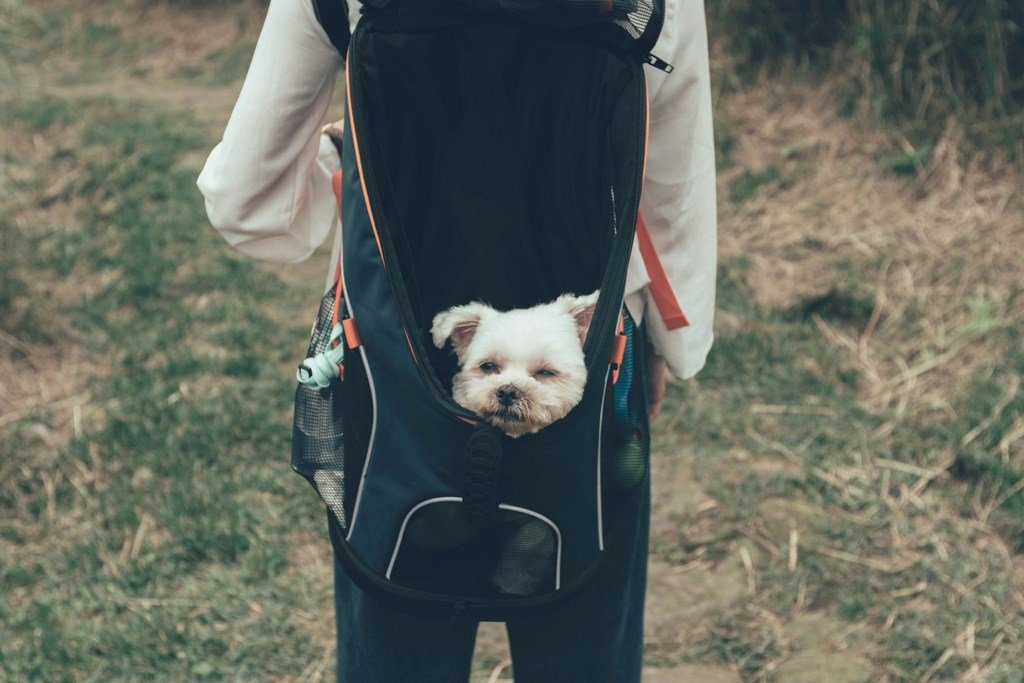
There is no better hiking partner than a dog. The sheer, unadulterated joy of a Labrador bounding through the bracken or a Border Collie navigating a rocky scramble in the Lake District is infectious. It turns a “walk” into a shared adventure. However, in the UK, the countryside is a working landscape. The fells aren’t just a playground; they are a home to millions of sheep, cattle, and ground-nesting birds.
As a traveller who has crossed the spine of the Pennines and explored the coastal paths of Cornwall with a canine companion, I’ve seen first-hand how quickly a beautiful day can turn into a nightmare if the rules aren’t understood. In 2026, with stricter “sheep worrying” laws and a heightened focus on conservation, being a “responsible dog owner” is about more than just picking up poo—it’s about understanding the legal and ethical nuances of the British countryside.
The Legal Landscape: Leads and Liberty
The rules for your dog depend entirely on where you are in the UK.
1. England and Wales: The CRoW Act
Under the Countryside and Rights of Way (CRoW) Act, you have a right to access “Open Access Land.” However, this right comes with a specific legal requirement for dog owners:
The Rule: You must keep your dog on a fixed lead (no more than 2 metres long) between 1st March and 31st July to protect ground-nesting birds (like the Curlew and Sky Lark).
Livestock: You must keep your dog on a lead around livestock at all times.
2. Scotland: The Outdoor Access Code
Scotland is more flexible, but no less serious. The Scottish Outdoor Access Code allows dogs to be off-lead as long as they are under “close control.”
The Definition: “Close control” means your dog stays at your heel and returns to you immediately upon command. If your dog has a high prey drive and might chase a sheep or a deer, it must be on a lead.
Comparison: Dog Access Rules Across the UK
| Feature | England & Wales (Access Land) | Scotland (Access Land) | Public Footpaths (UK wide) |
| Lead Law (Spring) | Mandatory (1 March–31 July) | Close Control (Recommended lead) | Close Control |
| Around Livestock | Mandatory Lead | Close Control / Lead | Close Control / Lead |
| Ground Nesting Birds | High Protection (Leads required) | Awareness Required | Awareness Required |
| Trespass Risk | Low (if on path/access land) | Very Low | Low (stay on path) |
| Dog Waste | Must be removed/bagged | Must be removed/bagged | Must be removed/bagged |
The “Sheep Worrying” Reality: A Warning
In 2026, the laws regarding livestock attacks have been bolstered. “Worrying” doesn’t just mean a dog biting a sheep; it includes chasing them or even being “at large” in a field where sheep are present.
The Impact: A chased sheep can die from stress or abort its lamb.
The Legal Consequence: Farmers have a legal right to shoot a dog that is attacking or chasing livestock. It is a heartbreaking situation for everyone involved. If in doubt, lead up.
3 Essential Safety Techniques for Dog Hikers
1. The “Cattle Pivot”
Cattle (especially with calves) can be inquisitive and sometimes aggressive toward dogs.
The Technique: If cattle surround you, let your dog off the lead. Your dog can run faster than you and the cattle; they are the target, not you. Once you are both safe, recall your dog.
2. Mastering the “Ladder Stile”
Many UK paths feature “ladder stiles” (wooden steps over a wall) that are impossible for large dogs.
The Tip: Check your route on an app like AllTrails—reviewers often mention if a route is “dog-friendly” or has “dog-gates” alongside the stiles. If not, be prepared to lift your 30kg Golden Retriever!
3. The “Peat and Heat” Check
In the summer, the fells can be surprisingly dry.
The Tip: Carry at least 1 litre of water specifically for your dog. Also, be aware of blue-green algae in stagnant ponds or tarns during warm spells—it is often fatal to dogs.
Essential Kit for the Trail Dog
Long-line Lead (5m–10m): Perfect for Scotland or outside of nesting season, giving them freedom while maintaining a “physical connection.”
Collapsible Bowl: Lightweight and essential for hydration.
Canine First Aid Kit: Including cohesive bandages (that don’t stick to fur) and tweezers for ticks.
High-Vis Harness: If the mist rolls in on the moors, you want to be able to see your dog.
FAQ: Dogs on the British Trails
1. Can a farmer shoot my dog if it’s in a field with sheep?
Only as a last resort to stop an active attack or chase. However, the legal threshold is low. To avoid this unthinkable scenario, always use a lead in any field containing livestock.
2. Are dogs allowed on all public footpaths?
Yes, a dog is considered a “usual accompaniment” to a walker. However, they must stay on the line of the path and not wander into the “private” parts of a field.
3. What should I do with “Poo Bags” if there are no bins?
Take them home. Hanging a plastic bag of waste on a tree (the “Cursed Christmas Tree” effect) is littering. If you can’t carry it, look into “Dickie Bags”—scent-proof containers for carrying waste on long hikes.
4. My dog is very friendly; can he say hello to other hikers?
Not everyone likes dogs, and some hikers may have reactive dogs on leads. Always recall your dog and ask “Is it okay?” before allowing an interaction. It’s the “Trail Etiquette” of the UK.
5. Are there “No Dog” areas in the UK countryside?
A few. Some nature reserves and specific “Sensitive Areas” (like certain parts of the North York Moors) may have seasonal or permanent dog bans to protect rare wildlife. Always check the signage at the gate.