
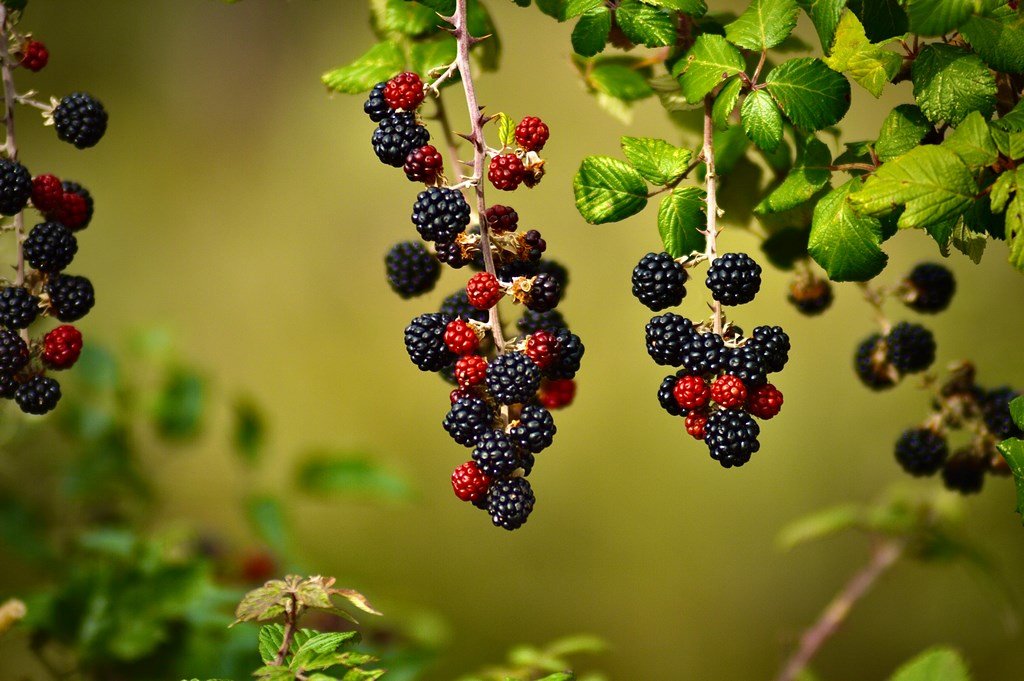
There is a primitive, deeply satisfying thrill in spotting a flash of deep violet or ruby red nestled in a British hedgerow. Long before we had supermarkets and 24-hour convenience stores, the rhythm of our lives was dictated by the “hedgerow harvest.”
As a traveller who has wandered from the sun-dappled lanes of Devon to the rugged fells of Cumbria, I’ve found that foraging is the ultimate way to “plug into” the landscape. It forces you to slow down, to look closer, and to appreciate the intricate timing of the seasons. In 2026, as we seek more sustainable and mindful ways of living, foraging has seen a massive resurgence.
However, for the uninitiated, the wild can be intimidating. “Is that a delicious snack or a trip to A&E?” is a valid question. This guide is designed to give you the confidence to identify the “Big Four” of the British berry world, along with the golden rules of the forager’s code.
The Golden Rule: If in Doubt, Leave it Out
Before we discuss the berries, we must talk about safety. In the UK, we have some spectacular edibles, but we also have plants that are highly toxic.
The 100% Rule: You must be 100% certain of your identification. 99% is not enough.
Pollution & Height: Avoid picking berries at “dog-pee height” or near busy, polluted roads.
The Share: Never strip a bush bare. Leave plenty for the birds and the small mammals who rely on these calories to survive the winter.
The “Big Four” British Wild Berries
1. The Blackberry (Bramble)
Where to find: Almost everywhere—hedgerows, woodlands, and even urban wasteland.
Identification: Look for the characteristic compound berry made of tiny “drupelets.” The stems are thorny and arched.
The Taste: Sweet, tart, and nostalgic.
Pro Tip: Folkore says don’t pick them after Michaelmas (29th September), as “the Devil spits on them.” Scientifically, this is when the weather turns damp and flies tend to lay eggs in the ripening fruit!
2. The Sloe (Blackthorn)
Where to find: In dense hedgerows, particularly in rural farmland.
Identification: These look like tiny, dusty blue plums. The bush has sharp, dark thorns (Blackthorn).
The Taste: Incredibly bitter and “mouth-drying” when raw.
The Reward: Sloes are the secret ingredient for the iconic British Sloe Gin.
3. The Bilberry (Wimberry/Blaeberry)
Where to find: On high, acidic ground—think the Peak District, the Lake District, or the Scottish Highlands.
Identification: Low-growing shrubs with small, oval green leaves. The berries are small, dark blue, and have a “crown” at the bottom.
The Taste: Like a concentrated, earthy blueberry. They will turn your tongue purple for hours!
4. The Elderberry
Where to find: Elder trees are common in edges of woods and abandoned gardens.
Identification: Large, drooping clusters of tiny, dark purple-black berries. The stems are often reddish.
Important: Never eat raw elderberries. They contain a mild toxin that is destroyed by cooking. They are best used for syrups, jellies, and wines.
Comparison: Edible vs. “Look-Alike” Dangers
| Edible Berry | Look-Alike (Toxic/Inedible) | Key Difference |
| Blackberry | None (Unique shape) | Very safe for beginners. |
| Bilberry | Fly Agaric / Nightshade | Bilberries grow on low shrubs; Nightshade is a taller plant. |
| Elderberry | Wayfaring Tree Berries | Elderberries hang in flat clusters; Wayfaring berries are more upright. |
| Wild Strawberry | Mock Strawberry | Mock strawberries have yellow flowers and no taste. |
The Forager’s Toolkit
A Sturdy Basket: Avoid plastic bags; they make the berries “sweat” and turn to mush. A wicker basket allows air to circulate.
A Field Guide: In 2026, apps like PictureThis or Collins Fungi Guide are great, but a physical book (like Richard Mabey’s Food for Free) doesn’t run out of battery.
Long Trousers: Brambles and nettles are the bodyguards of the best berries. Protect your legs!
FAQ: Foraging for Beginners
1. Is it legal to forage in the UK?
Under the Wildlife and Countryside Act 1981, it is generally legal to pick the “Four Fs”—Fruit, Foliage, Flora, and Fungi—for personal use on land where you have a right to be. It is illegal to dig up roots or to forage for commercial sale without permission.
2. What should I do if I accidentally eat something I can’t identify?
Do not wait for symptoms. Take a photo of the plant (or a sample) and call 111 or head to A&E. Most “unknown” berries cause stomach upset, but speed is key.
3. Are red berries always poisonous?
No, but many are. For a beginner, the rule of thumb is often “White and yellow, kill a fellow; purple and blue, good for you; red, could be sweet or dead.” Stick to what you know.
4. When is the best time of year for berries?
Late August through to October is the “Golden Quarter.” Bilberries start early (July), followed by Blackberries, then Sloes and Elderberries in the autumn.
5. How do I clean my wild berries?
Soak them in a bowl of cold water with a splash of vinegar for 10 minutes. This will encourage any “hitchhiking” bugs to vacate the fruit!