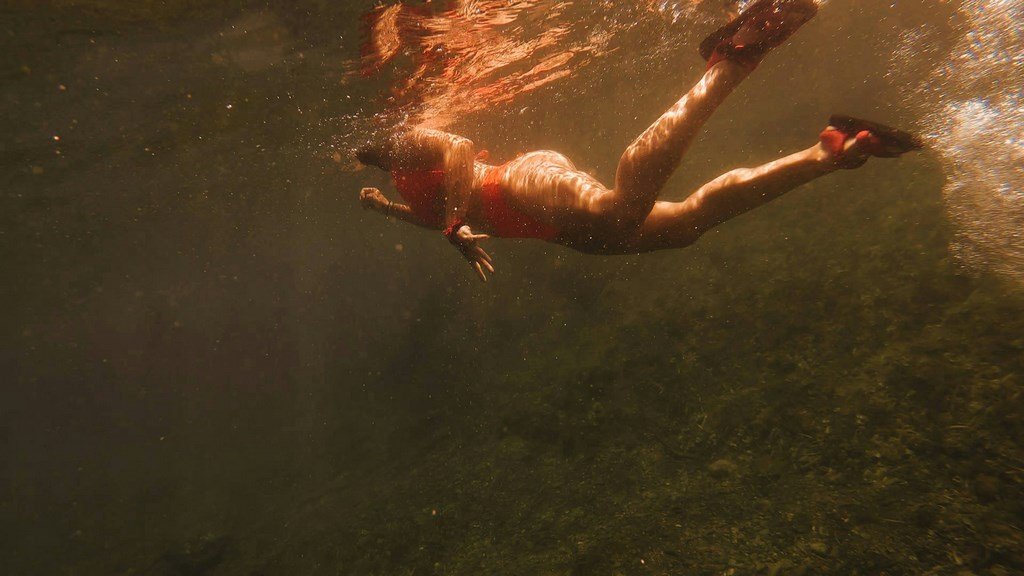

The UK is home to some of the most breathtaking wild swimming spots on the planet. Whether it’s the crystal-clear “fairy pools” of Skye, the deep serenity of Ullswater, or a crisp morning dip at Hampstead Heath, our waters offer a unique blend of exhilaration and peace.
But as any local dipper will tell you, British water has “teeth.” Even in the height of a July heatwave, the sea and our inland lakes rarely rise above 18°C. This temperature—while seemingly mild—is enough to trigger a physiological reflex that can be deadly if you aren’t prepared: Cold Water Shock (CWS).
Understanding Cold Water Shock isn’t about being afraid of the water; it’s about being “water-wise.” In this guide, we’ll break down exactly what happens to your body and how you can master the chill to swim another day.
What Exactly is Cold Water Shock?
Cold Water Shock is the body’s short-term involuntary response to being suddenly immersed in cold water (usually anything below 15°C). It is the primary cause of drowning in the UK, often occurring long before hypothermia even sets in.
When you plunge into the cold, your body does three things instantly:
The Gasp Reflex: You involuntarily inhale sharply. If your head is underwater when this happens, you will inhale water directly into your lungs.
Hyperventilation: Your breathing rate sky-rockets. You might feel like you can’t catch your breath, which leads to panic.
Increased Heart Rate: The cold causes your blood vessels to constrict, putting an immediate, massive strain on your heart.
How to Master the Entry: The “Slow and Steady” Rule
The biggest mistake beginners make is the “hero dive.” Jumping off a jetty into 12°C water is a recipe for disaster. To stay safe, follow the Acclimatisation Protocol:
Never Jump In: Walk in slowly. Let the water rise past your ankles, then your knees, then your waist.
Splash Your Body: Once waist-deep, splash water on your chest, the back of your neck, and your face. This “tells” your nervous system that the cold is coming.
Focus on the Out-Breath: As the water reaches your chest and the gasp reflex hits, focus on long, slow exhalations. This helps override the hyperventilation response.
Wait for the “Calm”: Don’t start swimming immediately. Wait 60 to 90 seconds until your breathing settles and your heart rate levels out.
If You Get Into Trouble: Float to Live
If you fall in unexpectedly or feel the panic of CWS rising, remember the RNLI’s “Float to Live” technique. It is the single most important skill for any British outdoor enthusiast.
Fight Your Instinct: Your instinct will be to thrash and swim hard. This increases the strain on your heart and makes you more likely to inhale water.
Lean Back: Tilt your head back with your ears submerged.
Relax and Scull: Keep your hands moving gently to stay afloat.
Breathe: Once your breathing is under control, then you can plan your escape or shout for help.
Temperature Guide: What to Expect in UK Waters
| Temperature | Typical UK Season | Risk Level | Safety Advice |
| 0°C – 6°C | Mid-Winter / Highlands | Extreme | Expert only. Neoprene essential. 2-5 min limit. |
| 7°C – 12°C | Spring & Autumn | High | Sharp gasp reflex. Wetsuit recommended for beginners. |
| 13°C – 16°C | Early Summer | Moderate | Still triggers CWS. Acclimatise slowly. |
| 17°C – 20°C | Late Summer “Peak” | Low | Comfort level for most, but beware of “After-Drop.” |
The “After-Drop”: Why the Danger Continues on Land
Safety doesn’t end when you climb out onto the bank. The After-Drop occurs when your core temperature continues to fall even after you’ve exited the water. This happens because cold blood from your extremities begins to circulate back to your core.
The Golden Rules of Post-Swim Recovery:
Dry Fast, Dress Fast: Get your wet gear off immediately. Focus on drying your torso first.
Layer Up: Use a changing robe or an oversized fleece. Put on a woolly hat—heat loss through the head is significant.
Warm Drink, Not Hot Bath: Sip a warm tea. Never jump straight into a hot shower or bath; this can cause your blood pressure to drop suddenly, leading to fainting.
Shiver if You Have To: Shivering is your body’s way of generating heat. Don’t try to stop it; let it happen.
FAQ: Cold Water Safety
1. Can I get Cold Water Shock in a wetsuit?
Yes. While a wetsuit provides thermal protection once you’re in, the initial “shock” can still happen as water enters the suit or hits your face and hands. Always acclimatise slowly, regardless of your kit.
2. Is CWS only a danger in the winter?
No. Most CWS incidents in the UK happen in late spring and early summer. The air might be 25°C, but the water is still a chilly 14°C. The “heat” makes people more likely to jump in, catching their bodies completely off guard.
3. Why do I feel dizzy when I first get out?
This is often caused by the cold water affecting your inner ear or a sudden change in blood pressure. Take your time standing up, and stay near the shore until you feel steady.
4. Does “cold water swimming” get easier?
Yes. Regular exposure (2-3 times a week) helps your body build a “tolerance” to the initial shock. This is called thermal adaptation. However, never get complacent—the reflex is always there.
5. Should I swim alone if I’m a strong swimmer?
Never. Even the strongest swimmers can be incapacitated by CWS. Always have a “spotter” on the shore or a swim buddy in the water with you.