
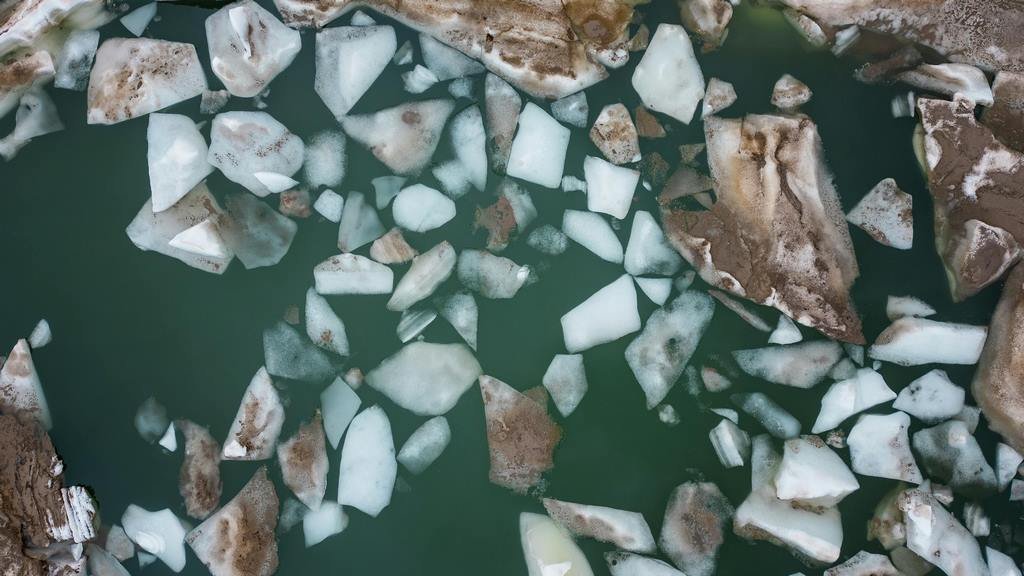
The winter swimming community in the UK is a hardy bunch. There is a specific kind of pride in breaking a thin layer of ice on a Lancashire tarn or braving the $5^\circ\text{C}$ grey swells of the North Sea. But any seasoned swimmer knows that the real “event” doesn’t happen in the water—it happens on the shore.
It’s called the “After-Drop.” As you exit the water, your blood begins to circulate back from your core to your chilled extremities, often causing your internal temperature to continue falling for up to 40 minutes. In 2026, the secret weapon for every serious swimmer isn’t just a thick robe; it’s what you put on underneath it.
Enter Merino Wool. Unlike standard wool or itchy synthetics, merino is the gold standard for thermal recovery. As a traveller who has shivered on riverbanks from the Highlands to Cornwall, I can tell you: your base layer choice is the difference between a triumphant glow and a dangerous chill.
Why Merino is the Swimmer’s Secret Weapon
Why does every outdoor enthusiast in Britain swear by this specific sheep’s wool? For a winter swimmer, the benefits are biological.
Warmth When Damp: Even if you’ve towelled off, your skin remains slightly damp. Merino wool can absorb up to 30% of its weight in moisture without feeling wet or losing its insulating properties.
The “Crimp” Factor: Merino fibres have a natural “crimp” (a wave) that creates millions of tiny air pockets. These pockets trap your body heat, acting like a natural radiator the moment you pull the garment on.
Softness on Sensitive Skin: After a cold dip, your skin is often hypersensitive. Standard wool can feel like sandpaper. Merino’s ultra-fine fibres (measured in microns) are so thin they bend when they touch the skin, ensuring a “no-itch” experience.
Comparison: Merino vs. Synthetic Thermals for Recovery
| Feature | Merino Wool (100%) | Synthetic (Polyester/Nylon) |
| Warmth Retention | Exceptional (Even when damp) | Moderate (Losses warmth if wet) |
| Moisture Management | Absorbs and wicks | Wicks only (can feel clammy) |
| Odour Resistance | High (Natural antimicrobial) | Low (Retains “gym” smell) |
| Skin Comfort | Ultra-soft / Non-itch | Smooth but can feel plastic-y |
| Sustainability | Biodegradable / Renewable | Petroleum-based / Microplastics |
Top 3 Merino Recommendations for 2026
1. The Heavyweight Hero: Smartwool Classic Thermal (250gsm)
In the world of merino, “GSM” stands for grams per square metre. For winter swimming, you want a weight of at least 200–250. Smartwool’s Classic Thermal is a British favourite for its durability and thick, interlocking knit.
Best For: Decisive recovery on the coldest January mornings.
2. The Value King: Mountain Warehouse Merino Range
For those who swim daily and need multiple sets, Mountain Warehouse offers 100% merino tops that punch well above their price point. They are slightly less “technical” in fit, which is actually a bonus when you’re trying to pull clothes onto a damp, shivering body.
Best For: Every-day swimmers on a budget.
3. The Technical Choice: Icebreaker 200 Oasis
Icebreaker is the pioneer of the merino movement. The Oasis series is slightly lighter but incredibly efficient at heat regulation. It features “offset” shoulder seams to prevent chafing if you’re carrying a heavy kit bag.
Best For: Those who combine their swim with a hike into remote locations.
3 Rules for Post-Swim Dressing
Size Up for Success: Standard base layers are meant to be “next-to-skin” and tight. For post-swim recovery, consider buying one size larger. It is notoriously difficult to pull tight leggings onto cold, damp legs. A bit of “wiggle room” makes the process faster—and speed is safety.
The “Core First” Method: Pull on your merino top before your leggings. Protecting your vital organs helps your body stop the shivering reflex faster.
No “Cotton” Gap: Ensure your merino top is long enough to tuck into your leggings. A gap at the lower back is a “heat leak” that can slow down your recovery significantly.
FAQ: Merino and Winter Swimming
1. Is merino wool better than a fleece-lined robe?
They work together! The robe is your “shield” against the wind and rain, but the merino base layer is your “engine” for generating heat. A robe over bare skin is far less effective than a robe over a merino base.
2. How do I wash my merino gear?
In 2026, most merino is “Total Easy Care.” You can wash it at $30^\circ\text{C}$ on a wool cycle. However, never use fabric softener, as it coats the fibres and ruins the wool’s natural ability to manage moisture.
3. Does “Merino Blend” work as well as 100% Merino?
Blends (usually 80% wool, 20% nylon) are more durable and dry faster, which is great for hiking. However, for pure warmth during post-swim recovery, 100% merino is still the undisputed champion.
4. Why is merino so expensive?
It’s a premium natural fibre primarily sourced from New Zealand and Australia. Unlike synthetic fabrics made in a lab, merino takes a year to grow on a sheep! It’s an investment in your safety and comfort.
5. Can I wear merino into the water?
We wouldn’t recommend it. While it stays warm when damp, it becomes heavy when fully saturated. Keep your merino dry on the shore so it’s ready to do its job the moment you get out.
![7 Best Waterproof Walking Boots for Muddy UK Trails [2026 Review]](https://ladyplatform.com/wp-content/uploads/2026/01/Salomon-Quest-4-GTX.jpg)
![Tired of High Prices? 5 Affordable Dryrobe Alternatives for Wild Swimming [2026 Guide]](https://ladyplatform.com/wp-content/uploads/2026/01/dryrobe-alternative.jpg)