
There is a unique kind of liberation that comes from standing on the edge of a Cumbrian tarn or a Cornish cove, stripped back to basics, ready to merge with the elements. But as any seasoned “wildie” in the UK will tell you, a successful swim isn’t just about the water—it’s about what happens the moment you get out.
In the British Isles, the weather is a fickle companion. A sunny morning at the lakeside can turn into a biting, damp squall in the time it takes you to swim 500 metres. Being under-prepared isn’t just uncomfortable; it can lead to the dreaded “after-drop,” where your core temperature continues to plummet after you’ve exited the water.
Whether you are a “skins” purist or a neoprene-clad adventurer, having a meticulously packed kit bag is the difference between a transformative experience and a shivering ordeal. In 2026, gear has become smarter, lighter, and more sustainable. Here is your definitive checklist for the perfect wild swim.
1. The “In-Water” Essentials
These are the items that keep you safe and visible while you are in the “blue space.”
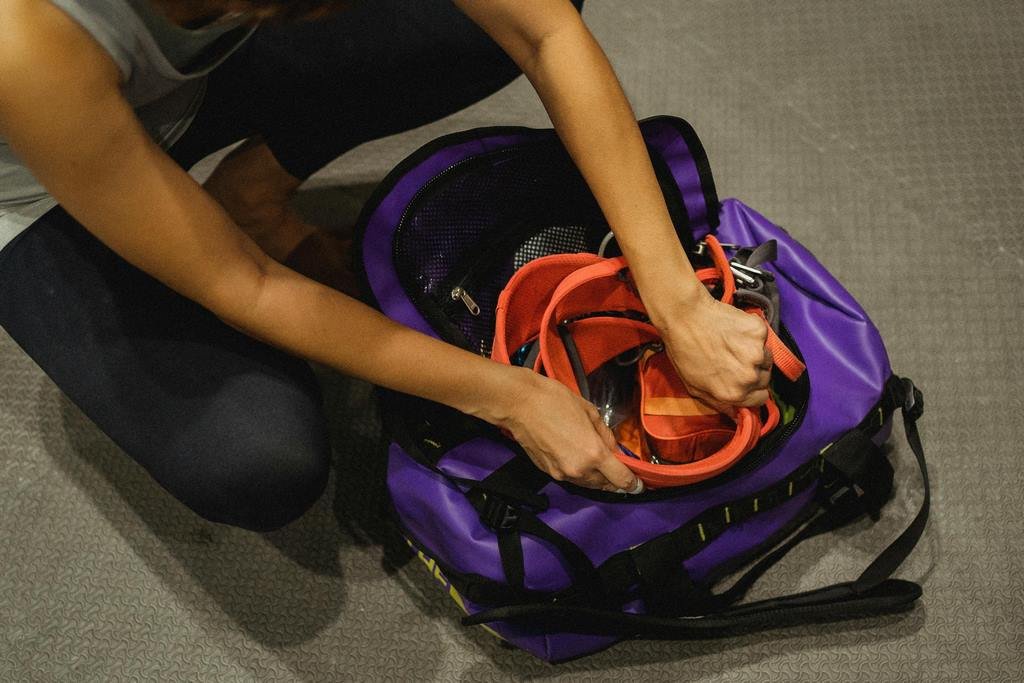
Bright Swim Cap: Forget the stylish dark colours. In a dark lake or a choppy sea, a bright orange, pink, or neon green silicone cap makes you visible to boats, paddleboarders, and your “spotter” on the shore.
The Tow Float: In 2026, this is non-negotiable. It provides visibility and a buoyant rest-point if you get a cramp or a bout of anxiety. Look for “dry bag” versions that allow you to store your car keys and phone inside.
Goggles (Polarised): Sunlight reflecting off the water can be blinding. Polarised lenses reduce glare and allow you to see the beautiful “underworld” of the UK’s rivers and lakes.
2. Thermal Protection: To Suit or Not to Suit?
| Gear Item | Best For… | Pro Tip |
| Swimsuit (Skins) | Short summer dips / Hardcore acclimatisation | Look for chlorine-resistant fabric if you also use pools. |
| Wetsuit (3/2mm) | Extended swims / Beginners | Ensure it is a “swimming” wetsuit for shoulder flexibility. |
| Neoprene Boots | Rocky entries / Winter dips | Protects against sharp stones and keeps extremities warm. |
| Neoprene Gloves | Protecting the “claws” in winter | Webbed versions can also help with your stroke power. |
3. The “Exit Strategy”: Recovery Gear
The swim ends when you are warm and dry, not when you leave the water.
The Changing Robe: Whether it’s a classic “Dryrobe” or a sustainable bamboo alternative, a hooded, waterproof robe is a game-changer. It acts as a mobile changing room and a windproof shelter.
The “Mat”: Standing on cold, wet grass or gravel while trying to pull on knickers is the low point of any swim. Carry a small, foldable “sit-mat” or even an old car floor mat to stand on.
Layering (The 1-2-3 Rule): Have your clothes laid out in the order you need them.
Base layer (Merino wool is best).
Fleece or jumper.
Warm hat and thick socks.
4. Safety & Electronics
Whistle: Often integrated into tow floats, a whistle is the best way to signal for help if the wind carries your voice away.
Wholesome Fuel: A thermos of hot, sugary tea or Vimto is a British swimming tradition for a reason—it warms you from the inside and provides a much-needed glucose spike.
The “Dry Phone”: Keep your phone in a dedicated waterproof pouch, even if it’s inside a dry bag. If you need to call 999 (or 112), you don’t want damp fingers failing on the touchscreen.
3 “Pro” Packing Secrets for 2026
The “Hot Water Bottle” Trick: Fill a hot water bottle before you leave home and tuck it inside your changing robe. When you get out, your robe will be toasty, and you’ll have a warm object to hug.
Talcum Powder: If you’re a “skins” swimmer, a dusting of talc on your damp feet makes putting on socks infinitely easier.
The “Litter” Bag: Always carry a small dry bag for your wet kit, but also use it to pick up any “ghost plastic” you find in the water or on the shore. (See our guide on Leave No Trace Etiquette!).
FAQ: Your Kit Bag Questions
1. Do I really need a tow float in a small river?
Yes. Even if you can touch the bottom, a tow float makes you visible to other water users and can help you if you get caught in a sudden current or snagged on a submerged branch.
2. What’s the best way to keep my car keys safe?
Most modern tow floats have a dry compartment. For extra security, use a “key safe” (a small, waterproof canister) that you can hang around your neck under your wetsuit.
3. Why do I get a headache in cold water?
It’s often “brain freeze” caused by the cold water hitting your temples. Wearing two swim caps or a neoprene “surf hood” can significantly reduce this.
4. How do I clean my kit to prevent the spread of invasive species?
The “Check-Clean-Dry” rule is vital. Rinse everything in tap water and let it dry completely before moving to a different body of water. (See our article on Biosecurity for Swimmers).
5. Should I buy a thermal changing robe or a towel one?
If you swim year-round in the UK, a thermal (waterproof) robe is essential. If you only dip in the height of summer, a lightweight towel robe is easier to pack and sufficient for drying off.
![7 Best Waterproof Walking Boots for Muddy UK Trails [2026 Review]](https://ladyplatform.com/wp-content/uploads/2026/01/Salomon-Quest-4-GTX.jpg)
![Tired of High Prices? 5 Affordable Dryrobe Alternatives for Wild Swimming [2026 Guide]](https://ladyplatform.com/wp-content/uploads/2026/01/dryrobe-alternative.jpg)