
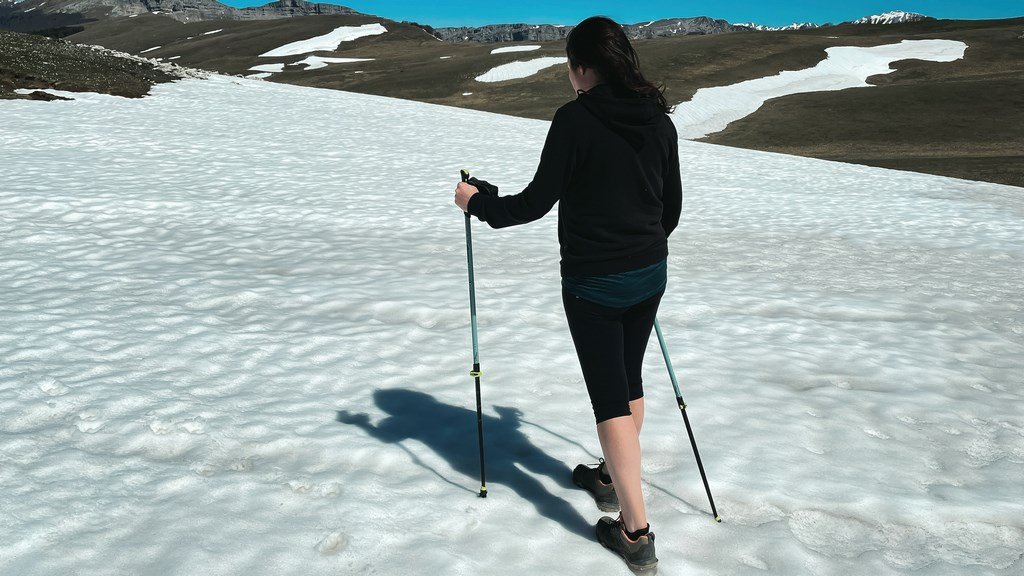
Let’s be honest: we’ve all been there. You’re six miles into a spectacular loop of the Cotswolds or halfway up a sun-drenched peak in the Lake District, and suddenly, you feel it. That sharp, stinging “hot spot” between your thighs or the angry red welt where your rucksack strap meets your collarbone.
Chafing—or “chub rub” as it’s affectionately known in the hiking community—is the ultimate mood-killer. It doesn’t care about your fitness level, your expensive GORE-TEX jacket, or how beautiful the view is. Once the skin is raw, every step becomes an exercise in misery.
As a traveller who has trudged through humid British summers from Cornwall to the Cairngorms, I have learned that an anti-chafe stick is the most important item in your pack that you aren’t talking about. In 2026, we’ve moved past messy talcum powder and greasy petroleum jelly. We now have high-tech, sweat-resistant balms that act as an invisible “second skin.”
Here is everything you need to know about staying smooth on the trail this summer.
The Science of the “Sting”: Why We Chafe
Chafing occurs when skin rubs against skin or fabric, creating friction that damages the skin barrier. Add a bit of British humidity and the salt from your sweat, and you have a recipe for a “friction burn.”
The goal of an anti-chafe stick is to create a long-lasting, lubricating barrier that allows surfaces to glide past each other. Unlike lotions, which soak in and disappear, these sticks are designed to sit on the surface, resisting water and sweat for hours.
The Top 5 Anti-Chafe Sticks for 2026
1. BodyGlide Original (The Industry Standard)
BodyGlide is the “old faithful” of the outdoor world. It’s allergen-free, plant-derived, and doesn’t feel oily.
Best For: Thighs and underarms. It’s dry to the touch almost instantly.
UK Benefit: It’s widely available in shops like Cotswold Outdoor and Go Outdoors.
2. Squirrel’s Nut Butter (The Long-Distance Specialist)
Originally designed for ultra-marathon runners, this all-natural balm is incredibly “slick.” It uses a blend of coconut oil, cocoa butter, and beeswax.
Best For: Extremely long days (15+ miles) and preventing blisters on feet.
The Vibe: It smells slightly like a tropical holiday—a nice bonus when you’ve been sweating in the fells all day.
3. Megababe Thigh Rescue (The Lifestyle Hero)
This brand changed the conversation around chafing. It’s packed with skin-soothing ingredients like aloe, pomegranate seed oil, and grapeseed oil.
Best For: Hikers with sensitive skin who want to heal as they protect.
The Vibe: The packaging is chic, and the formula is thick and reliable.
4. Compeed Anti-Blister Stick (The Emergency Backup)
While it’s marketed for feet, this little stick is a powerhouse for any small “hot spot.” It’s compact enough to fit in your pocket for mid-hike touch-ups.
Best For: Backpack strap rub and heel protection.
UK Benefit: You can pick this up in almost any Boots or Superdrug across the country.
5. Lanacane Anti-Chafing Gel (The Budget-Friendly Classic)
Technically a gel, but it dries into a silky, powder-like finish. It’s specifically formulated to withstand the moisture of a humid British summer.
Best For: Everyday rambles and those who don’t like the “heavy” feel of a wax-based balm.
Comparison: Anti-Chafe Solutions at a Glance
| Product | Base Material | Duration | Best Use Case |
| BodyGlide | Vegan Wax | 6–8 Hours | General hiking / Inner thighs |
| Squirrel’s Nut Butter | Coconut Oil/Beeswax | 10+ Hours | Long-distance trekking |
| Megababe | Pomegranate/Aloe | 5–7 Hours | Sensitive skin / Fashion-forward |
| Compeed Stick | Hydrogenated Oil | 4–6 Hours | Toes, heels, and strap rub |
| Lanacane Gel | Silicones | 4–5 Hours | High humidity / Short walks |
3 “Pro” Tips for Friction-Free Hiking
Apply Before You Feel It: Once your skin is red and angry, an anti-chafe stick can only do so much. Apply your chosen balm as part of your “getting ready” ritual, right along with your sunscreen.
Target the “Anchor Points”: Don’t just do your thighs. Apply a small amount to your lower back (where your pack sits), your collarbones, and the “bridge” of your feet to prevent lace bite.
The “Cleanse” is Key: At the end of a long hike, ensure you wash the balm off thoroughly. These products are designed to stay on through sweat, so they need a good scrub with soap to prevent clogged pores.
Why Cotton is the Enemy
If you are using the best anti-chafe stick in the world but still wearing cotton underwear or a cotton t-shirt, you’re fighting a losing battle. Cotton absorbs sweat, stays heavy, and becomes like sandpaper against your skin. For a truly “No More Rubbing” summer, pair your anti-chafe stick with moisture-wicking, synthetic or Merino wool base layers.
FAQ: Your Chafing Questions Answered
1. Can I just use Vaseline?
You can, but it’s not ideal. Vaseline is a petroleum-based jelly that is messy, stains clothing, and can actually trap heat against the skin. Modern sticks are “breathable” and much more pleasant to wear.
2. Is anti-chafe stick safe for children?
Most “clean” brands like BodyGlide and Squirrel’s Nut Butter are perfectly safe for children who might experience rubbing from their sandals or rucksacks on family outings.
3. Does it wash out of my expensive hiking clothes?
Yes. Unlike heavy oils or old-fashioned grease, modern anti-chafe sticks are formulated to be “laundry-friendly” and shouldn’t leave permanent marks on your technical gear.
4. Can I use these sticks on my face?
While they aren’t toxic, they can be quite thick and may clog pores on the face. For “goggle rub” or “sunglass rub,” look for a lighter, facial-specific silicone gel.
5. How long does one stick usually last?
If you’re a weekend warrior, a standard 60g stick should easily last you a full British summer (and probably the autumn, too!).
![7 Best Waterproof Walking Boots for Muddy UK Trails [2026 Review]](https://ladyplatform.com/wp-content/uploads/2026/01/Salomon-Quest-4-GTX.jpg)
![Tired of High Prices? 5 Affordable Dryrobe Alternatives for Wild Swimming [2026 Guide]](https://ladyplatform.com/wp-content/uploads/2026/01/dryrobe-alternative.jpg)