
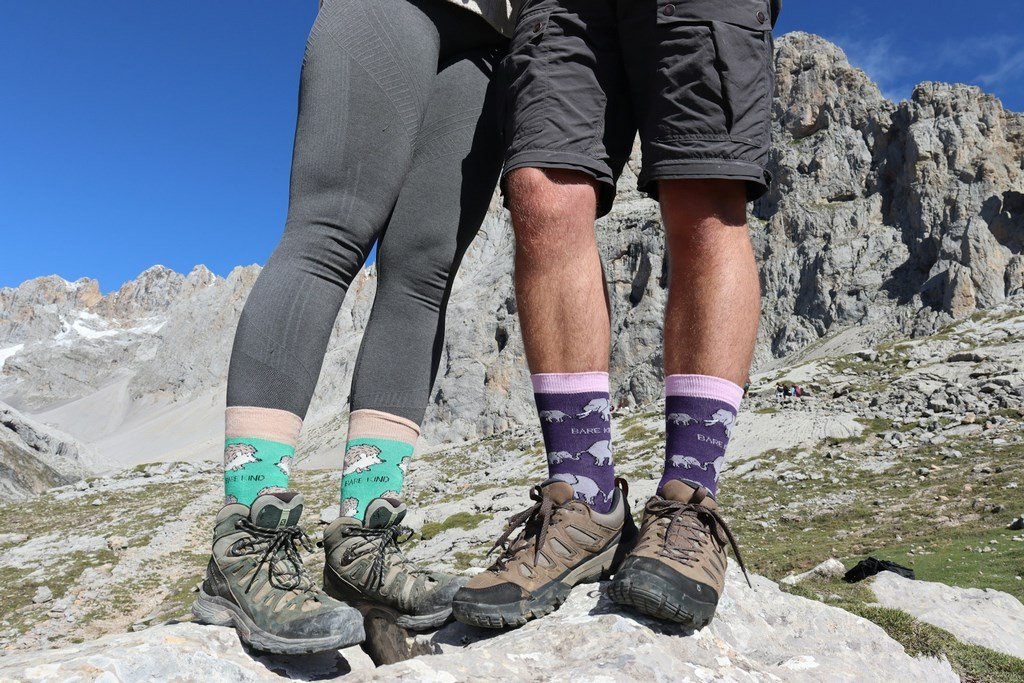
Picture this: you’re halfway up Kinder Scout, the rain is holding off, and the view is absolutely cracking. Then, a tiny niggle starts on your heel. A hot spot. Five minutes later, it’s a full-blown blister, threatening to derail your entire day. For any keen British hiker, this scenario is all too familiar. We invest heavily in our boots, jackets, and rucksacks, but the humble walking sock often gets overlooked. And that, my friends, is a cardinal sin on the trail.
Our beloved UK trails throw everything at us: unpredictable downpours, boggy moorland, rocky climbs, and endless miles of varied terrain. Your feet are bearing the brunt of it all. This isn’t just about comfort; it’s about prevention. The right pair of socks can be the difference between a triumphant summit photo and a painful hobble back to the car.
In this comprehensive guide for 2026, we’re diving deep into the world of walking socks, exploring the materials, technologies, and brands that will keep your feet happy, dry, and blister-free, no matter how many miles you’re putting in across our glorious British landscape.
The Unsung Heroes: Why Your Socks Matter More Than You Think
Before we delve into specific brands, let’s understand what makes a truly great walking sock for the notoriously challenging UK conditions:
Moisture Management: The biggest culprit behind blisters is moisture. Whether it’s sweat or rainwater, damp skin is soft skin, and soft skin is prone to friction. Good socks wick moisture away from your skin, keeping your feet dry.
Cushioning & Support: Long days on your feet demand shock absorption. Strategic cushioning in the heel and ball of the foot reduces impact, while a snug fit provides arch support.
Temperature Regulation: From a frosty morning in the Cairngorms to a muggy afternoon in the New Forest, your socks need to adapt. Merino wool excels here.
Durability: British hiking is tough on gear. Your socks need to withstand countless washes, friction against your boots, and the general wear and tear of rugged trails.
Material Matters: Merino vs. Synthetics vs. Blends
Choosing the right material is the first step to blister-free feet.
Merino Wool: The undisputed champion for long-distance hiking in the UK.
Pros: Exceptional temperature regulation (cools in summer, warms in winter), naturally anti-bacterial (reduces odours), soft, and excellent at wicking moisture. It also retains warmth even when damp.
Cons: Can be more expensive, less durable than pure synthetics, and takes longer to dry than some synthetic blends.
Synthetics (Nylon, Polyester, Lycra): Often blended with Merino for enhanced performance.
Pros: Highly durable, excellent moisture-wicking properties, very quick-drying, and generally more affordable.
Cons: Can sometimes feel less soft, and prone to holding odours compared to Merino.
Blends: The sweet spot for many. Combining Merino’s comfort and anti-odour properties with synthetics’ durability and quick-drying nature. This is often the ideal solution for UK conditions.
Key Technologies & Features to Look For
Beyond the material, these features will elevate your sock game:
Seamless Toe Construction: A crucial detail. A bulky seam across the toes is a guaranteed hot spot after a few miles.
Targeted Cushioning: Look for socks with varying levels of padding in high-impact areas (heel, sole, Achilles tendon).
Arch Support: An elasticated band around the arch helps prevent slippage, bunching, and provides gentle support.
Ventilation Panels: Mesh zones on the top of the foot help with airflow, especially important during warmer spells.
Anti-Blister Technology: Some brands use specific fibre patterns or even double-layer designs to reduce friction.
Our Top Picks for Long-Distance UK Hiking in 2026
After countless miles, muddy puddles, and rigorous testing across the length and breadth of Britain, these are the brands and models that consistently deliver.
1. Smartwool PhD Outdoor Light Crew – The Gold Standard
Smartwool has been a staple for British hikers for years, and for good reason. The PhD Outdoor Light Crew (or Mid Crew for a bit more coverage) strikes the perfect balance of cushioning, warmth, and moisture-wicking. The Merino-Nylon blend offers fantastic durability, and their “Indestructawool” technology truly lives up to its name. They are unbelievably comfortable, even after an 8-hour trek through the Lakes.
2. Darn Tough Hiker Boot Sock Full Cushion – The Indestructible Choice
As their name suggests, Darn Tough socks are built like tanks. Made in Vermont, USA, these socks come with an unconditional lifetime guarantee – a testament to their incredible durability. The Full Cushion offers plush comfort, while their Merino-Nylon-Lycra blend ensures excellent wicking and a snug, supportive fit that won’t sag. Perfect for those who need a sock that can handle repeated abuse.
3. Bridgedale Hike Midweight Merino Endurance – The British Classic
Bridgedale is a proudly British brand, and their Merino Endurance range is specifically designed for our changeable conditions. The Midweight provides excellent insulation and cushioning, while the blend of Merino, Endurofil (a synthetic fibre), and Nylon ensures rapid wicking and drying. Their “Fusion Technology” ensures a comfortable, durable, and blister-free fit. A top choice for traditionalists and modern hikers alike.
4. Icebreaker Hike+ Light Mini – The Lightweight Warrior
For faster-paced hikes or warmer days where you still need protection, the Icebreaker Hike+ Light Mini is superb. Made from 61% Merino wool, they offer all the natural benefits of Merino with a lighter feel. The anatomical fit and Achilles support make them incredibly comfortable for long days, and they dry surprisingly quickly.
5. Balega Blister Resist Quarter – The Anti-Blister Specialist
If you are particularly prone to blisters, Balega’s Blister Resist range is a game-changer. These socks use a unique blend of Mohair (a super-soft, durable goat wool that’s excellent at moisture management) and Drynamix (a proprietary synthetic). The double-layer design actively reduces friction. While perhaps less cushioning than some, their blister-prevention properties are top-notch.
Comparison Table: Top Walking Socks for UK Hiking
| Model | Material Blend | Cushioning | Key Features | Best For | Price (RRP) |
| Smartwool PhD Outdoor | Merino/Nylon/Elastane | Light-Moderate | Indestructawool, Seamless Toe | All-round, varied terrain | £20 |
| Darn Tough Hiker Boot | Merino/Nylon/Lycra | Full Cushion | Lifetime Guarantee, True Seamless | Rugged, long-distance | £25 |
| Bridgedale Hike Midweight | Merino/Endurofil/Nylon | Midweight | Fusion Technology, Ventilation | UK’s changeable weather | £18 |
| Icebreaker Hike+ Light | Merino/Nylon/Lycra | Light | Anatomical Fit, Ventilation | Faster hikes, warmer days | £16 |
| Balega Blister Resist | Mohair/Drynamix/Elastane | Moderate | Double Layer, Mohair | Blister-prone feet | £15 |
Beyond the Socks: Foot Care for the Dedicated Hiker
Even the best socks need a bit of help from good foot care:
Trim Your Toenails: Seems obvious, but long nails can press against the end of your boot, causing pain and blisters.
Break in Your Boots: Never, ever wear brand new boots on a long hike.
Blister Plasters: Carry a few Compeed or similar blister plasters in your first aid kit. Apply them at the first sign of a hot spot.
Air Your Feet: On multi-day hikes, take your boots and socks off during breaks to let your feet breathe.
FAQ: Your Burning Questions About Hiking Socks
1. How often should I wash my Merino wool socks?
Merino wool is naturally anti-bacterial, so you can often get several wears out of them before they need a wash, especially on multi-day hikes. When you do wash them, follow the care instructions (usually a cool wash, low spin, and air dry) to preserve the wool fibres.
2. Should I wear thin liner socks under my main hiking socks?
Some hikers swear by liner socks, especially if they are very prone to blisters. The idea is that the friction occurs between the two layers of socks, rather than between the sock and your skin. If you opt for this, choose a very thin, synthetic liner.
3. What sock thickness is best for UK hiking?
For most UK conditions, a midweight or light-cushioning sock is ideal. They offer enough warmth and padding without being too bulky. Full cushioning is great for winter or heavy loads, and a light sock is good for summer.
4. My feet always get really sweaty. What’s the best material for me?
Look for socks with a high percentage of Merino wool or advanced synthetic blends (like those found in Balega or some Bridgedale models). Merino is excellent at wicking moisture and regulating temperature, while synthetics dry incredibly fast. Ensure they have good ventilation zones.
5. How long should a good pair of walking socks last?
A high-quality pair of walking socks, especially from brands like Darn Tough or Smartwool, should last for several years of regular hiking, easily hundreds of miles. Brands like Darn Tough even offer lifetime guarantees. When you start to see thinning in the heel or ball of the foot, or the elastic starts to go, it’s time for a new pair.
![7 Best Waterproof Walking Boots for Muddy UK Trails [2026 Review]](https://ladyplatform.com/wp-content/uploads/2026/01/Salomon-Quest-4-GTX.jpg)
![Tired of High Prices? 5 Affordable Dryrobe Alternatives for Wild Swimming [2026 Guide]](https://ladyplatform.com/wp-content/uploads/2026/01/dryrobe-alternative.jpg)