
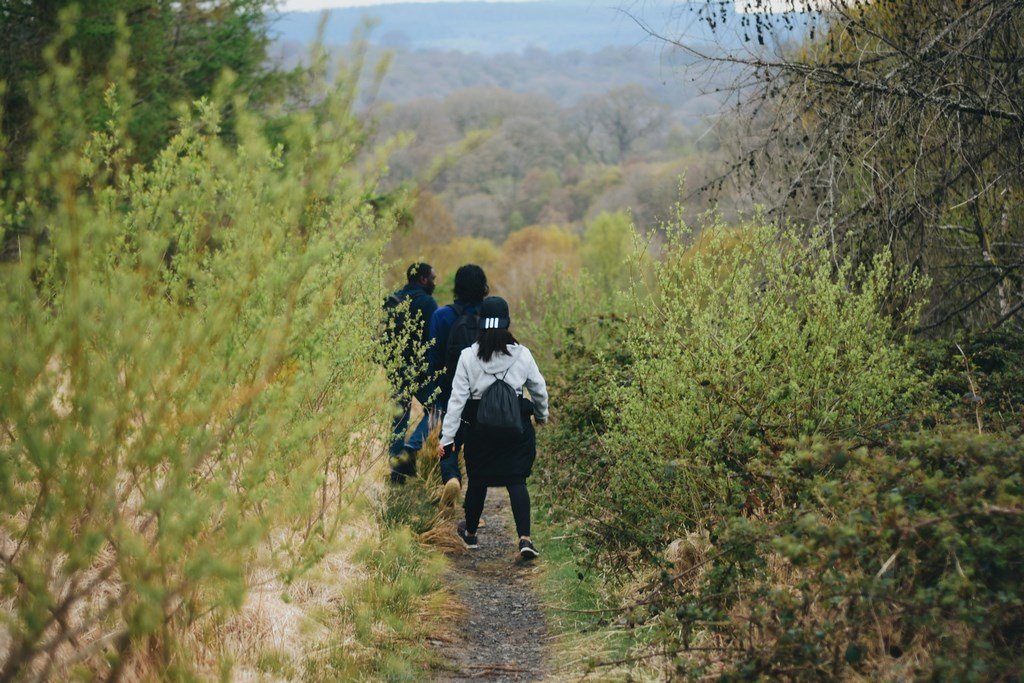
The British landscape is a playground like no other. From the rolling chalk downs of Sussex to the rugged, heather-clad edges of the Peak District, the call of the trail is hard to resist. But for many would-be hikers, the initial cost of entry feels steeper than the ascent of Mam Tor.
If you walk into a high-end outdoor shop in London or Manchester, you’ll see jackets priced at £600 and boots that cost more than a weekend away. It’s enough to make anyone retreat to the sofa. However, here’s a secret from someone who’s spent years rambling across the UK: The mountains don’t know how much you spent on your gear.
In 2026, the market for affordable, high-quality outdoor kit is better than ever. You can be safe, warm, and dry on the fells without needing a second mortgage. This guide is your roadmap to kitting up for the British trails on a budget.
The “Big Three” Priority List
When you’re starting out, you don’t need everything at once. You should focus your “new kit” budget on the three things that affect your safety and comfort the most:
1. Footwear: Your Foundation
In the UK, our trails are often a mix of mud, loose stone, and slippery grass. You need grip and ankle support.
The Budget Win: Look for “entry-level” leather or synthetic boots from brands like Hi-Tec or Regatta.
Top Tip: Check out Decathlon’s Forclaz range. Their MT100 boots are legendary in the budget community for being genuinely waterproof and durable for under £60.
2. The Waterproof Jacket: Your Shield
The British weather is famously fickle. A “quick shower” can turn into a day-long deluge in minutes.
The Budget Win: You don’t need Gore-Tex Pro for your first hikes. Look for jackets with a hydrostatic head (waterproof rating) of at least 10,000mm.
Top Tip: Brands like Mountain Warehouse frequently have massive sales. Their “Extreme” range offers excellent waterproof ratings for a fraction of the price of premium brands.
3. The Rucksack: Your Mule
You need something to carry your layers, water, and that all-important pork pie.
The Budget Win: A 20 to 30-litre pack is plenty for day hikes.
Top Tip: Look for a bag with an integrated rain cover. If it doesn’t have one, you can buy a separate waterproof cover for less than a fiver.
Layering Like a Pro (On a Budget)
The secret to British hiking is the Three-Layer System. You don’t need to buy these from “outdoor” brands specifically:
Base Layer: A synthetic t-shirt (gym wear works perfectly!) that wicks sweat. Avoid cotton—it stays wet and makes you cold.
Mid Layer: A simple fleece. This is your insulation. Even a £10 fleece from a supermarket or a budget retailer like Karrimor will keep you warm.
Outer Layer: Your waterproof jacket.
Where to Shop for Bargains in the UK
Decathlon: The undisputed king of budget gear. Their in-house brands (Quechua and Forclaz) are designed in the French Alps and offer professional-grade features at high-street prices.
Go Outdoors: Sign up for their Member’s Card (usually £5 for a year). It unlocks significant discounts on brands like Berghaus, North Ridge, and Scarp.
Vinted & eBay: The “pre-loved” market is booming. Many people buy expensive hiking gear, use it once, and sell it. You can find premium brands like Rab or Osprey for 40% of the retail price.
TK Maxx: Check their “Active” section. You can often find high-end European hiking brands at deep discounts.
Beginner Gear Comparison Table
| Item | Budget Option | Why It Works | Estimated Price |
| Boots | Hi-Tec Storm Waterproof | Reliable grip, decent ankle support | £45 – £55 |
| Jacket | Regatta Pack-It III | Extremely light, perfect for day trips | £20 – £30 |
| Trousers | Mountain Warehouse Trek | Quick-drying, comfortable stretch | £25 – £35 |
| Rucksack | Quechua NH Arpenaz 20L | Comfortable straps, simple design | £15 – £20 |
| Socks | Karrimor Walking Socks (3 Pack) | Padded heels, prevents blisters | £10 |
3 Common Mistakes Beginners Make (and how to avoid them)
Hiking in Jeans: We’ve all done it once. Jeans are heavy, they restrict movement, and once they get wet, they stay cold and wet for hours. Swap them for cheap synthetic gym leggings or trekking trousers.
Buying “Fashion” Trainers: Your stylish gym trainers lack the “lug” depth (tread) to handle a muddy British hillside. You’ll spend more time on your backside than your feet.
Overpacking: You don’t need a stove, a tent, and three litres of water for a 5-mile walk in the Chilterns. Keep it light!
FAQ: Starting Out on the Trail
1. Do I really need “proper” hiking boots?
If you’re sticking to flat, paved canal paths, trainers are fine. But for anything involving hills, mud, or uneven rocks (most of the UK!), boots or dedicated trail shoes are a safety requirement to prevent twisted ankles and slips.
2. Is it safe to buy second-hand hiking gear?
Absolutely—with one exception: Safety equipment. Avoid second-hand climbing gear or helmets. For jackets, boots, and bags, second-hand is a brilliant way to get high-end gear like Montane or Salomon on a budget. Just check the waterproof seams aren’t peeling!
3. How do I know if a cheap jacket is actually waterproof?
Look for the Hydrostatic Head (HH) rating. 3,000mm is “showerproof.” 10,000mm is the minimum for a day of British rain. 20,000mm is “mountain-ready.”
4. What should I carry in my budget emergency kit?
At a minimum: a fully charged phone, a paper map (and the knowledge to use it!), a whistle, an extra chocolate bar, and a cheap foil emergency blanket (usually £2).
5. Are budget socks okay for long walks?
Budget socks are fine, but ensure they are synthetic or wool blends. Never wear 100% cotton socks for hiking, as they cause friction and lead to blisters.
![7 Best Waterproof Walking Boots for Muddy UK Trails [2026 Review]](https://ladyplatform.com/wp-content/uploads/2026/01/Salomon-Quest-4-GTX.jpg)
![Tired of High Prices? 5 Affordable Dryrobe Alternatives for Wild Swimming [2026 Guide]](https://ladyplatform.com/wp-content/uploads/2026/01/dryrobe-alternative.jpg)