
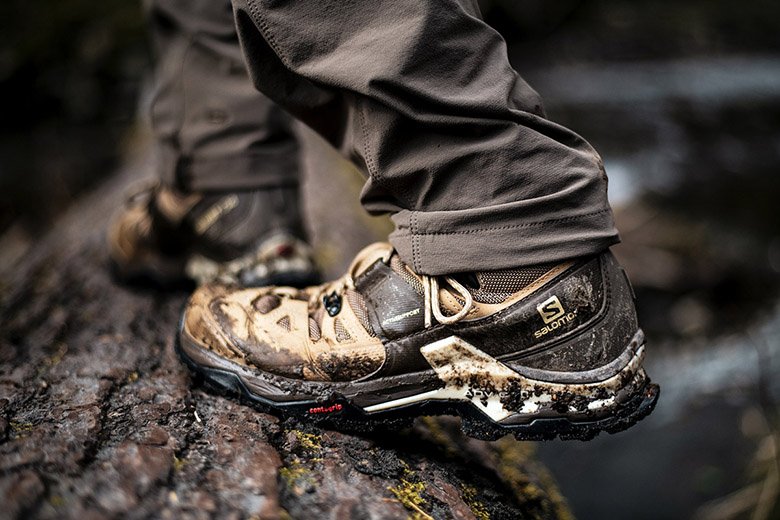
If there is one thing we Brits understand better than anyone else, it’s the sheer, unadulterated complexity of mud. From the claggy, clay-heavy paths of the South Downs to the knee-deep peat bogs of the Pennines, a “waterproof” claim on a box often feels like a polite suggestion rather than a promise.
In 2026, the outdoor industry has finally caught up with the reality of a soggy Sunday in the Peak District. We’ve seen a massive shift toward PFAS-free membranes and ePE Gore-Tex—tech that keeps the North Sea out without pumping chemicals into our fells. After testing the latest releases across the dampest corners of the UK, I’ve narrowed down the seven best women’s walking boots that will actually keep your socks dry this season.
2026 Comparison: The UK’s Top Mud-Beaters
| Model | Best For… | Weight (Pair) | Tech Highlight | Material |
| Scarpa Rush 2 Mid GTX | Fast-Packing | 820g | Gore-Tex ePE | Eco-Synthetic |
| Merrell Moab 3 Mid WP | Budget Comfort | 920g | Merrell Select | Suede/Mesh |
| Salomon Quest 4 GTX | Heavy Backpacking | 1300g | ADV-C 4D Chassis | Nubuck/Textile |
| Hoka Kaha 3 GTX | Joint Protection | 950g | SwallowTail™ Heel | Gold-Rated Leather |
| Meindl Bhutan MFS | Lifelong Durability | 1600g | Memory Foam System | Waxed Nubuck |
| Altra Lone Peak 9 WP | Natural Toe Splay | 780g | Zero Drop Design | Ripstop Mesh |
| Lowa Renegade Evo | All-Rounder | 1100g | Monowrap® Frame | Full-Grain Leather |
1. Scarpa Rush 2 Mid GTX: The Speed Demon
Scarpa has always been a favourite in the Lake District, and the 2026 Rush 2 proves why. This isn’t just a boot; it’s a trail running shoe that went to finishing school.
Why it handles the mud: The PRESA HIK-03 outsole features a clever lug design that sheds mud as you flex your foot. It doesn’t “clog up,” meaning you maintain grip even on a greasy limestone slope.
The 2026 Update: It now features the new Gore-Tex ePE membrane—it’s thinner, lighter, and much more breathable than old-school versions.
Verdict: Perfect for those who like to move fast and light between the fells.
2. Merrell Moab 3 Mid WP: The “Reliable Friend”
There’s a reason you see the Moab on every second walker in the Cotswolds. It’s the “sofa” of the walking world.
Why it handles the mud: While the lugs aren’t as deep as the Salomon, the Vibram TC5+ rubber is incredibly “sticky” on wet stiles and wooden bridges.
The 2026 Update: Merrell has reinforced the recycled webbing and laces, making them more resistant to the abrasive grit found in UK bog water.
Verdict: Unbeatable out-of-the-box comfort for casual weekend walkers on a budget.
3. Salomon Quest 4 Gore-Tex: The Fortress
If you’re tackling the West Highland Way or carrying a 15kg pack through the Cairngorms, you need the Quest 4.
Why it handles the mud: The Contagrip® lugs are aggressive and deep. This boot bites into the ground like a mountain goat. The high ankle collar also acts as a barrier against that “splash-back” mud that usually ruins your trousers.
The 2026 Update: The new ADV-C 4D chassis provides even more lateral stability, which is a godsend when you’re navigating slippery, uneven riverbanks.
Verdict: It’s a heavy-duty beast, but it’s the most protective boot on this list.
4. Hoka Kaha 3 GTX: Cloud-Like Resilience
Hoka’s “maximalist” look used to turn heads, but in 2026, it’s the gold standard for comfort.
Why it handles the mud: The Vibram Megagrip with Traction Lug technology. These tiny micro-textures on the lugs increase surface area by 50%. It feels like having four-wheel drive on your feet.
The 2026 Update: The SwallowTail™ heel has been streamlined, making it less likely to catch on rocks while descending steep, muddy fells.
Verdict: If you suffer from knee pain or plantar fasciitis, this is your holy grail.
5. Meindl Bhutan MFS: The Heritage Choice
Leather is still king for many UK walkers. The Meindl Bhutan is built for the long haul.
Why it handles the mud: A one-piece leather construction means there are fewer seams for mud to penetrate. When treated with Meindl Sportwax, water simply beads off the surface like magic.
The 2026 Update: The Memory Foam System (MFS) has been recalibrated to adapt to your foot shape faster, significantly reducing the “break-in” period.
Verdict: An investment. Look after them, and they’ll still be your go-to boots in 2036.
6. Altra Lone Peak 9 Waterproof: For the Wide-Footed
Not everyone wants a stiff, heavy boot. The Lone Peak 9 is the ultimate “natural” hiker.
Why it handles the mud: The TrailClaw™ lugs are canted (slanted) to provide traction exactly where your toes push off.
The 2026 Update: Altra finally fixed the “breathable-but-leaky” issue of previous versions. The 2026 waterproof lining is much more durable, handling the constant “flexing” of the foot without cracking.
Verdict: The best choice for those who hate the restrictive feel of traditional boots.
7. Lowa Renegade Evo GTX: The Global Icon
The Renegade has been a best-seller for decades, but the Evo version is a total redesign.
Why it handles the mud: The Vibram EVO sole is specifically designed for mixed terrain—think wet grass, loose scree, and woodland mulch.
The 2026 Update: Lowa has moved to a completely PFAS-free production line. It’s the most sustainable high-performance leather boot on the market today.
Verdict: If you can only own one pair of boots for both the dog walk and the Snowdon summit, this is it.
Buyer’s Guide: Surviving the “British Bog”
1. Lug Depth is Non-Negotiable
In the UK, you aren’t just walking on dirt; you’re walking on a liquid. Look for lugs (the “teeth” on the bottom) that are at least 5mm deep. Wide spacing between the lugs is also vital so that the mud falls out as you walk, rather than getting packed in and turning your boot into a smooth, slippery skate.
2. The Membrane Myth
Gore-Tex is great, but it’s not a forcefield. In 2026, we focus on ePE membranes. They are more environmentally friendly and thinner, which helps with breathability. However, even the best membrane will fail if you don’t wear gaiters. If mud gets over the top of the boot, the waterproof lining actually works against you by holding the water inside!
3. Leather vs. Synthetic
Leather: Easier to clean (just hose them down), naturally more water-resistant, but can be heavy when sodden.
Synthetic: Lighter and cheaper, but the “pores” in the fabric can trap grit, which eventually acts like sandpaper and wears down the waterproof lining from the outside.
Maintenance: The “3-Step UK Aftercare”
Hose it off: Never let mud dry on your boots. The minerals in the soil can suck the moisture out of leather or degrade synthetic fibres.
Air dry (slowly): Keep them away from the radiator! High heat makes leather brittle and can melt the glue holding your soles on.
Proofing: Every 3-4 muddy walks, apply a specialist proofer like Nikwax or Grangers. This keeps the outer material from “wetting out.”
FAQ: Your Walking Boot Questions Answered
1. Why do my waterproof boots feel wet inside?
Usually, it’s not a leak; it’s sweat. When the outer layer of the boot gets “saturated” with mud and water, the membrane can no longer “breathe.” This causes your foot’s moisture to condense inside. Keep the outer clean to prevent this.
2. Should I buy a size up for hiking?
Generally, half a size to a full size up is recommended. Your feet will swell after a few hours on the fells, and you need space for thick wool socks without crushing your toes.
3. What are “PFAS-free” boots?
PFAS are “forever chemicals” used to make gear water-repellent. In 2026, the best brands (like Lowa and Scarpa) have switched to safer, eco-friendly alternatives that perform just as well without harming our fells.
4. How long should a good pair of boots last?
With moderate use (once a week) and proper cleaning, a synthetic boot should last 2–3 years, while a high-quality leather boot like the Meindl Bhutan can last 8–10 years if resoled.
5. Can I use these boots for Wild Swimming entries?
While they are waterproof, we don’t recommend fully submerging them for long periods. For wild swimming entries, look for dedicated neoprene boots or “water shoes” to protect your feet from sharp stones without ruining your expensive leather hikers.
![Tired of High Prices? 5 Affordable Dryrobe Alternatives for Wild Swimming [2026 Guide]](https://ladyplatform.com/wp-content/uploads/2026/01/dryrobe-alternative.jpg)