
For the British hiker, there is no greater feeling than standing atop a gritstone edge in the Peak District or wandering through a remote glen in the Cairngorms. But as you climb over that stile or pass through that kissing gate, have you ever wondered: “Am I actually allowed to be here?”
The concept of the “Right to Roam” is one of the most cherished yet misunderstood aspects of British life. It is the result of decades of protest—most famously the 1932 Kinder Scout Mass Trespass—and a complex web of legislation that differs significantly depending on which side of the border you find yourself.
As a traveller who has navigated the “checkerboard” of English footpaths and the glorious freedom of the Scottish Highlands, I know that understanding the law isn’t just about avoiding a grumpy shout from a landowner; it’s about feeling a sense of belonging in our natural heritage. In 2026, as the debate over land access continues to heat up, here is everything you need to know about your rights to roam.
The Great Divide: England and Wales vs. Scotland
The first thing every walker must understand is that “The UK” does not have a single set of access laws. In fact, we have two very different systems.
England and Wales: The CRoW Act
In England and Wales, our rights are governed largely by the Countryside and Rights of Way (CRoW) Act 2000. Contrary to popular belief, this does not give you the right to walk anywhere you like. Instead, it grants access to specific areas mapped as “Access Land” (often called “Open Access Land”).
What counts as Access Land? Mountains, moors, heaths, downs, and registered common land.
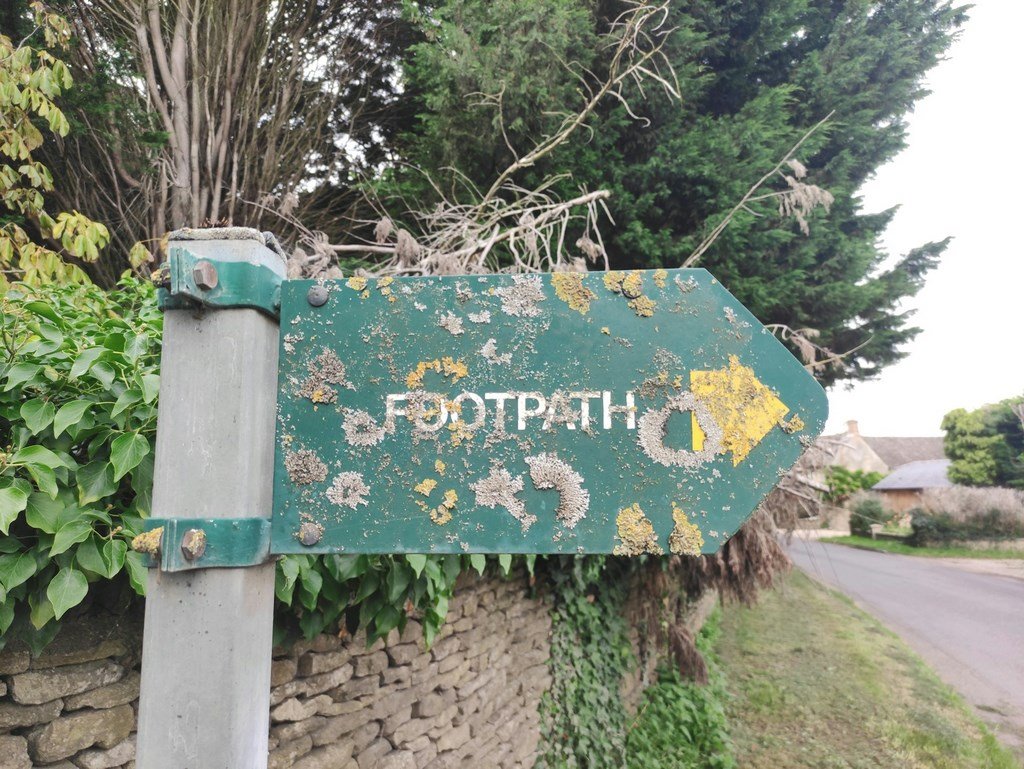
The “Linear” Rights: Outside of these areas, you are generally restricted to Public Rights of Way (PROW)—the footpaths, bridleways, and byways marked on your OS Map.
Scotland: The “Right to Roam”
Scotland is a different world entirely. Thanks to the Land Reform (Scotland) Act 2003, you have a statutory right to be on most land and water, provided you act responsibly. This is known as the Scottish Outdoor Access Code.
The Difference: In Scotland, the presumption is in favour of access. In England and Wales, the presumption is against it, unless a specific right of way or “access” designation exists.
Key Access Symbols and What They Mean
| Symbol / Term | What It Means | Where You’ll See It |
| Yellow Arrow | Public Footpath (Walkers only) | England & Wales |
| Blue Arrow | Public Bridleway (Walkers, horses, cyclists) | England & Wales |
| Open Access Icon | Brown person in a circle; you can leave the path | OS Maps / Signposts |
| Purple Arrow | Restricted Byway (No motor vehicles) | England & Wales |
| The “SOAC” | Scottish Outdoor Access Code (Responsible access) | Scotland |
5 Rules for Responsible Roaming in 2026
Regardless of the law, the “Country Code” (now the Countryside Code) is the moral compass of the British hiker.
Leave No Trace: This is the golden rule. If you brought it in, take it out. This includes “biodegradable” items like banana skins, which can take years to decompose in upland environments.
Keep Dogs Under Control: On Access Land in England and Wales, you must keep your dog on a lead (no more than 2 metres long) between 1st March and 31st July to protect ground-nesting birds, and at all times near livestock.
Respect Working Land: Avoid walking through crops or into farmyards unless a marked footpath clearly dictates it.
Close the Gates: Leave gates as you find them. If a gate is closed, it’s usually for a reason (livestock management). If it’s open, leave it open.
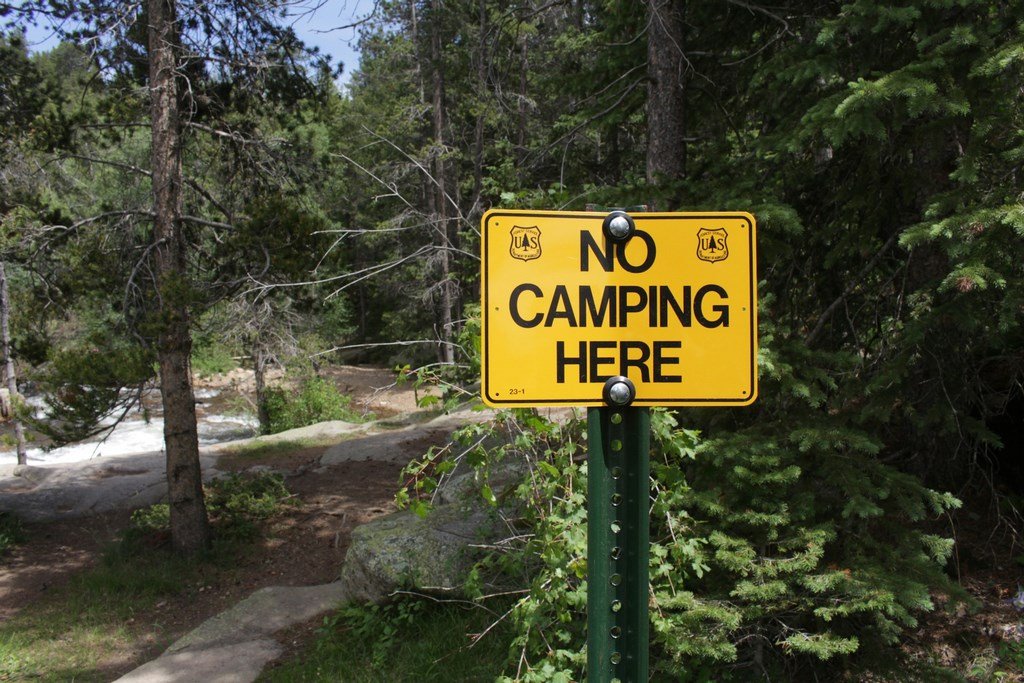
Don’t Wild Camp Without Permission (Mostly): In Scotland, wild camping is generally legal. In England and Wales, it is illegal without the landowner’s permission (with very limited, contested exceptions in places like Dartmoor).
The “Trespass” Myth: Can You Be Arrested?
One of the biggest fears for hikers is being arrested for “trespass.”
In Civil Law: In most of the UK, simple trespass (being on land without permission) is a civil matter, not a criminal one. A landowner can ask you to leave via the shortest practical route, but the police won’t arrest you just for being there.
Aggravated Trespass: This is a criminal offence. It occurs if you intentionally obstruct or disrupt lawful activity (like farming or a legal hunt).
The 2026 Update: Be aware of local by-laws, especially near military land or railway lines, where trespass is a criminal offence from the outset.
FAQ: Your Rights on the Trail
1. Can a landowner block a public footpath?
No. It is illegal to obstruct a Public Right of Way. If you find a path blocked by a fence, a “Private” sign, or intimidating livestock, you should report it to the local Highway Authority (usually the County Council).
2. Is there a “Right to Roam” on water?
In Scotland, yes. You can paddle on most lochs and rivers. In England and Wales, the law is much murkier; only about 4% of rivers have a clear, undisputed right of navigation.
3. What is “Regulated Access”?
Some Access Land has “restrictions.” For example, a moor might be closed for a few days a year for land management or during high fire-risk periods. Check the Natural England or Natural Resources Wales websites before you head out.
4. How do I know if I’m on Access Land?
Look at an Ordnance Survey (OS) Explorer Map. Access Land is shaded in a light yellow/cream colour with a purple border. If you are inside that area, you can legally wander off the marked paths.
5. What should I do if a landowner tells me to leave?
If you are on a Public Right of Way or Access Land, you have a legal right to be there. Politely state that you are on a right of way. If you are unsure, it is always better to be polite, avoid confrontation, and check your map.