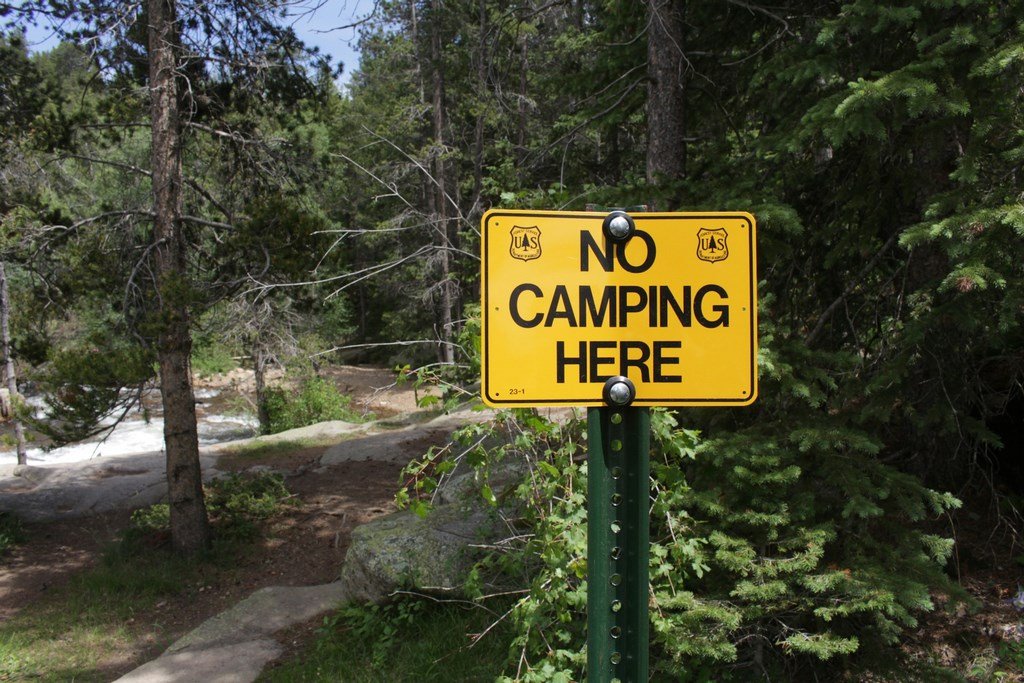
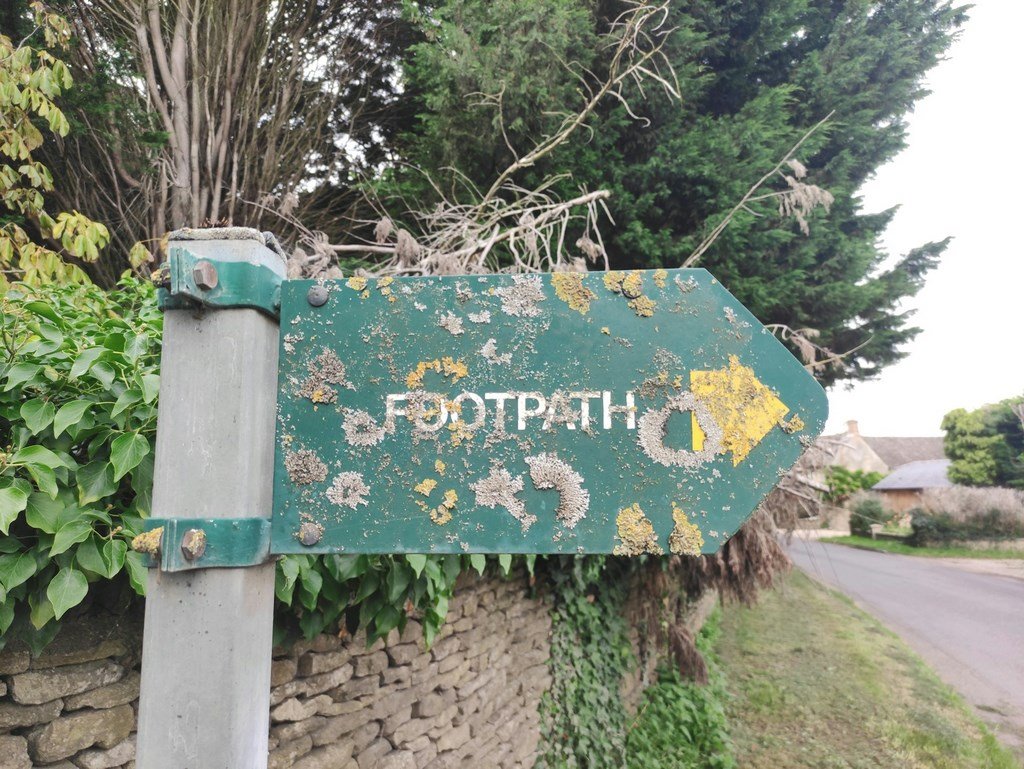
It is one of the most disheartening moments in a hiker’s life. You’ve planned your route, laced up your boots, and you’re deep into a beautiful stretch of the Cotswolds or the Peak District, only to find your path barred. Perhaps it’s a brand-new barbed wire fence, a “Private” sign that shouldn’t be there, or a gate that has been padlocked shut.
In the UK, our Public Rights of Way (PROW) are protected by law, but they only remain open if we, the walkers, act as their guardians. When you find a path blocked, you aren’t just an inconvenienced tourist; you are a witness to a potential breach of the Highways Act 1980.
As a regular traveller of the British fells, I’ve learned that a polite grumble to your walking partner doesn’t fix a path—but a well-placed report to the council does. In 2026, the process is more digital and efficient than ever. Here is your step-by-step guide to reporting an obstruction and ensuring our historic ways stay open for generations to come.
Phase 1: Gathering the Evidence (At the Scene)
The council cannot act on a vague report like “there’s a fence somewhere near the village.” You need to be their eyes on the ground.
Pinpoint the Location: Use the What3Words app or an OS Grid Reference. A 6-figure grid reference is the “language of the council” and ensures there is no ambiguity about which stile is broken.
Take Photographs: Capture the obstruction from both sides. If it’s a “Private” sign, make sure the text is legible. If possible, include a landmark in the background (like a specific tree or hill) to help the Access Officer find it.
Check the “Definitive Map”: Before you report, confirm it is a public right of way. Most councils have an online “Definitive Map” (the legal record). If the path is marked with a yellow line (footpath) or green line (bridleway), you are in the right.
Phase 2: How to Report (The Process)
In 2026, almost every Highway Authority (usually your County Council or Unitary Authority) has an online reporting portal.
Step 1: Find the Right Council
Search for “[County Name] Council report a problem with a public right of way.” National Highways only manage motorways and major A-roads; the vast majority of footpaths fall under local council jurisdiction.
Step 2: Fill in the Details
Most portals will ask for:
The Path Number (if you know it from the Definitive Map).
The type of obstruction (e.g., “locked gate,” “overgrown vegetation,” “misleading sign”).
Whether the path is completely impassable or just difficult to use.
Step 3: Request an Update
Always tick the box to receive an acknowledgement and updates. This creates a digital paper trail that you can follow up on.
Comparison: Obstruction vs. Natural Growth
Not every “blockage” is an illegal act by a landowner. Knowing who is responsible can speed up the fix.
| Issue | Responsibility | Legal Context |
| Locked Gate / Fence | Landowner | Illegal Obstruction (Highways Act s137) |
| Overhanging Hedges | Landowner | Council can issue a “Notice to Cut” |
| Fallen Tree | Landowner | Landowner must clear; Council can assist |
| Surface Growth (Brambles) | Council | Council’s duty to maintain the surface |
| Broken Stile / Bridge | Landowner | Landowner must maintain (with Council help) |
Phase 3: What if the Council Does Nothing?
Sometimes, a report disappears into a “black hole.” If a month has passed and the path is still blocked, it’s time to escalate.
Contact the “Ramblers”: User groups like The Ramblers or the Open Spaces Society have dedicated volunteers who track these issues. They often have direct lines to the Access Officers.
Lodge a Formal Complaint: Use the council’s internal complaints procedure. If they are failing in their statutory duty to keep the highway open, they are at fault.
Section 130A Notice: For the truly persistent, the Highways Act allows individuals to serve a legal notice on the council, effectively forcing them to take action on an obstruction. This is a powerful “nuclear option.”
3 Rules for the “Encounter”
Stay Polite: If you meet the landowner, be calm. State that you are following the Definitive Map. Many blockages are unintentional (a new tenant not knowing the rules).
Do Not Cause Damage: You have a legal right to “deviate around an obstruction” as long as you stay on the landowner’s land, but you cannot cut fences or break locks yourself.
Report Misleading Signs: Signs that say “Private: No Entry” on a public path are illegal. They are designed to “deter” users, which is itself an offence.
FAQ: Defending Your Right of Way
1. Can a farmer put a bull in a field with a footpath?
Yes, but with restrictions. A bull of a recognised dairy breed (like a Friesian) over 10 months old is never allowed in a field with a path. Other bulls are allowed only if they are accompanied by cows or heifers.
2. Is a path still a path if there is no signpost?
Yes. The absence of a signpost does not change the legal status of the path. If it’s on the Definitive Map, it’s a highway.
3. What should I do if a landowner tells me to “get off my land”?
If you are certain you are on a PROW, politely say: “According to the map, this is a public footpath.” If they become aggressive, do not engage. Leave via the safest route and report the incident to both the council and the police as “intimidation on a highway.”
4. Can I use a bike on a public footpath?
Technically, no. You have a right on foot only. You have a right to cycle on bridleways, restricted byways, and Byways Open to All Traffic (BOATs).
5. How long does the council have to fix a problem?
There is no fixed legal deadline, but for a total obstruction (like a wall or locked gate), you should expect a response or an inspection within 28 days.